SELF-HOSTED · EDGE-NATIVE · MILITARY C4ISR
Every military signal.
One battlefield picture.
Every autonomous decision traceable.
RAVEN-AI is a military C4ISR platform that fuses global military telemetry, tactical sensor networks and operator judgement into one battle-proven common operating picture — then closes the loop with evidence-grounded AI reasoning, millisecond threat-to-effector action when authorized, and a tamper-evident audit trail of what was seen, decided and executed in the defence of African and allied interests.
01 / Why RAVEN for military defence
The battlespace is already
broadcasting.
Most of it is military-grade.
RAVEN-AI aggregates military intelligence into a single battlefield picture, fuses it with your tactical sensors, and executes authorized defence actions with millisecond threat-to-effector response. Every action is audited and ROE-gated. Full instrumentation exposes exactly what is requested and what leaves your network.
AGGREGATION
One map, every public signal. Commercial and private aircraft, military and ISR aircraft, 25,000+ AIS vessels, carrier strike groups, trains, satellites, space stations, ground stations, earthquakes, fires, volcanoes, air quality, severe weather, conflict events, warfronts, air-raid alerts, data centres, power plants, military bases, submarine cables, internet outages, CCTV networks, radio receivers, scanners, mesh nodes, Telegram OSINT, malware C2 and known-exploited vulnerabilities — on one screen, live.
FUSION
Sensors become intelligence objects. Raw detections do not flood the operator. RAVEN correlates observations across air, land, maritime, space, cyber and human terrain into structured intelligence objects with source counts, agreement bonuses, trend state, confidence decomposition and a named confidence gap — then dispatches the right sensor to close that gap.
REASONING
Confidence that traces to evidence. Every confidence figure is decomposed into observation density, anomaly severity, source diversity, temporal recency and upstream alert confidence — each with its weight exposed. Hypotheses carry supporting and contradicting evidence. A verification framework checks sufficiency, hallucination risk, contradiction, temporal consistency and calibration before anything is presented.
AUTHORITY
Humans hold the trigger. Four authority levels, from recommendation-only to full authority. Effector controllers produce fire solutions and weapon-target pairings but stop at the confirmation gate. Kinetic state on every platform is declarative and authorisation-gated: no weapon, fuse or employment command is constructed in code.
AUDIT
Proof, not assertion. Hash-chained immutable logs, provenance chains on every intelligence product, blockchain-anchored evidence packages, tamper detection via chain verification, independent audit and engagement-audit records, and after-action packages generated automatically from every engagement.
SOVEREIGNTY
Military data sovereignty. No accounts, no product telemetry, no analytics. Self-hosted Docker, Kubernetes/Helm, Tauri desktop or bare-metal military edge deployment. Air-gapped operation, jurisdiction- and classification-aware data policy, hardware-rooted device identity, zero-trust military networking and compliance evaluation against NATO standard, EU AI Act, Five Eyes, GDPR and national caveats.
02 / One platform, two surfaces
Military battlefield visibility
and autonomous
defence systems, unified.
RAVEN-AI is one military C4ISR platform with two faces that share a backend, a world model and an audit chain. Deploy the global intelligence surface for multi-domain situational awareness. Add the sovereign edge stack when you need to close the loop with your own military sensors, autonomous effectors and your own rules of engagement.
Surface A
A military intelligence surface providing full-spectrum battlefield visibility across 41 independently toggleable data layers drawn from 60+ live public feeds, with a server-side reconnaissance toolkit, SAR ground-change detection, a Time Machine tactical playback, a military AI command channel, and a decentralised InfoNet mesh for secure military communications and on-chain governance.
- 41 map layers, 5 tactical visual modes
- Recon toolkit + entity graph
- SAR ground-change detection
- Time Machine tactical playback
- Military AI agent command channel
- InfoNet mesh + Sovereign Shell governance
Surface B
A defence-grade, military C4ISR autonomy stack: a 9-phase command-and-control operating loop over an event pipeline and world model, multi-domain fusion across land/sea/air/space/cyber/EW, digital twins with Monte Carlo simulation and continuous adversarial red-teaming, autonomous multi-agent swarms with ROE-enforcing ethics, layered air defence integration with S-400 and Iron Dome fire-control bridges, tactical-edge autonomous UAVs with modular payloads, and role-adaptive human-machine interfaces.
- Military C4ISR command-and-control loop
- Digital twin + red team simulation
- Autonomous weapon system swarm + ROE ethics
- Layered air defence integration (S-400 + Iron Dome)
- Tactical-edge autonomous military UAVs
- RAVEN Integrated Tactical Helmet (RITH)
03 / The core cycle
Nine phases from
raw signal to
recorded outcome.
Every event enters the same cycle. Each phase is injectable, individually testable, and writes an auditable artefact. Latency budget for the full cycle is under 100 ms.
SEE
Strict-mode validation, hash-based deduplication inside a time window, per-sensor rate limiting, quality filtering and backpressure detection.
FUSE
Enrichment adds geohash, quality score and normalised fields. The world model creates or updates an EntityTrack with observation history, velocity and state, indexed by a KD-tree spatial structure.
UNDERSTAND
Anomaly detection on velocity, location jumps and behavioural deviation. Composite threat scoring with five severity bands. Loitering and pattern-of-life analysis.
CORRELATE
Cross-domain, cross-entity linking by temporal proximity with confidence decay on time delta, shared tags, provenance, geospatial proximity and shared relationships.
ASSESS
Confidence decomposed into five weighted sub-scores, then passed through the internal reasoning LLM for hypotheses, inference steps, threat classification and quantified uncertainty.
DECIDE
Rule-based action recommendation with severity-to-action mapping. Courses of action ranked by probability, risk and second/third-order effects, each validated against the digital twin.
COORDINATE
Role-aware distribution: clearance level, domain relevance, position relevance, category subscription and role decide who sees what. Human authorisation gates every consequential action.
VERIFY
Tamper-evident evidence ID generated from the cycle's outputs and written into the hash-chained immutable log, then anchored to the evidence ledger.
LEARN
Outcomes feed back into online learning, TTP detection, model distillation and federated delta sync — with model provenance recorded cryptographically.
Reproducibility contract: identical evidence in produces identical confidence out. Scores are deterministic functions of sub-scores, never sampled.
04 / Platform architecture
A layered,
event-driven
intelligence stack.
Sensors produce events. The pipeline validates them. The world model tracks what they refer to. The intelligence engine scores what matters. The operating loop turns all of that into a decision, an authorisation and an immutable record.
EVENT PIPELINE
Nothing gets in without being checked. Every observation becomes a typed RAVENEvent carrying event ID, timestamp, sensor identity, event type, confidence, geo-location, entity reference, raw data and metadata. Ingestion runs strict-mode validation, hash-based deduplication inside a sliding time window, per-sensor rate limiting, quality-score filtering and backpressure detection, then notifies subscribers. An enricher adds derived fields — geohash, quality score, normalised attributes — before the event reaches the world model.
WORLD MODEL
Entities, tracks and relationships. An in-memory model of what exists and where. Every entity gets a persistent track with observation history, computed velocity and direction, and a state machine. A KD-tree spatial index answers radius and bounds queries directly. Relationships between entities are recorded explicitly — proximity within a radius, co-occurrence, shared behaviour.
INTELLIGENCE ENGINE
Anomalies become products. Velocity anomalies, location jumps and behavioural deviation feed a composite threat scorer with five severity bands — critical, high, medium, low, info — and configurable thresholds. Behavioural analysis covers loitering and pattern-of-life deviation. Every detection becomes an Alert: severity, title, description, linked entity IDs, anomaly type, confidence, a recommended action and a content hash.
05 / Evidence-grounded reasoning
Confidence you
can take apart.
The reasoning stack has no external model dependency. It is evidence-grounded, deterministic and inspectable — a deliberate choice, because a confidence number nobody can decompose is not evidence.
Magnitude relative to a baseline, clamped to [0,1]
Saturating ratio against an expected observation count
Distinct sensor types contributing, as a ratio
Exponential decay with a 300-second half-life
Propagated from the intelligence engine, clamped
Threat classification
Confidence bands
05a / Proprietary AI core
A proprietary reasoning
engine, not a
black box.
RAVEN's own internal reasoning engine — RavenReasoningLLM — is built with zero external dependencies. No transformers, no torch, no external API. All reasoning is evidence-grounded from in-memory data structures, deterministic, and inspectable.
Reasoning methods
Two pathways produce AnalyticalResult objects. quick_assess() handles single evidence items; generate_structured_reasoning() runs the full multi-step pipeline with hypothesis generation and quantified uncertainty.
Lightweight path: single evidence item → returns classification and confidence dict (no full AnalyticalResult).
Full path: multi-step inference chain, hypothesis generation, threat classification (BENIGN / AMBIGUOUS / SUSPICIOUS / THREAT / CRITICAL), quantified uncertainty breakdown, and validation outcomes.
Data structures
Seven core types define the reasoning contract.
Hypotheses, inference steps, uncertainty, validation outcomes
Single hypothesis with weighted supporting and contradicting evidence references
Links analytical findings to specific evidence sources
Single reasoning step with logical chain and per-step confidence
Quantified uncertainty breakdown across five weighted dimensions
CERTAIN / HIGH / MODERATE / LOW / SPECULATIVE bands
BENIGN / AMBIGUOUS / SUSPICIOUS / THREAT / CRITICAL
7-stage reasoning pipeline
Seven stages that turn raw sensor observations into verified analytical results, each stage mapped to an OperatingLoop phase.
Queries the evidence store through a fluent filter and validates each item.
Converts to the reasoning evidence shape.
Groups by entity and snapshots confidence history.
Scores pairs across shared tags, provenance, temporal overlap, geospatial proximity and relationships.
Produces structured analytical results.
Runs the 7-check suite.
Selects the highest-confidence result into working memory.
Verification framework
Every analytical result is checked before anyone sees it.
- • Evidence sufficiency (fail below 0.3 average sub-score, warn below 0.5)
- • Hallucination risk
- • Contradiction between hypotheses
- • Temporal consistency
- • Confidence calibration
- • Uncertainty consistency
- • Audit-trail completeness
RAVEN REASONING LLM
A proprietary zero-dependency reasoning engine. No transformers, no torch, no external API. Produces AnalyticalResult objects with hypotheses, inference steps, threat classification and quantified uncertainty. Each result carries an evidence hash.
Each pipeline stage maps to an OperatingLoop phase (SEE → FUSE → UNDERSTAND → CORRELATE → ASSESS → DECIDE → COORDINATE → VERIFY → LEARN). Every result carries an evidence hash tying it to the exact evidence that produced it. Over 4,300 automated tests validate the full reasoning pipeline.
Model serving
One serving surface across five compute backends.
05b / LLM command interface
Ask the battlespace
in plain
language.
RAVEN-AI ships a proprietary LLM endpoint at POST /api/llm/chat that provides natural-language command and situational understanding. It processes queries against live battlefield state, generates structured intelligence with explainable confidence decomposition, and produces Courses of Action grounded in the current operational picture. The agent chat at /agent-chat is the interface.
RAVEN-AI is a proprietary system. The LLM is not open source. All models, weights, and inference pipelines are proprietary to Boldstreet. Access requires a paid licence and contact with sales.
06 / Multi-domain fusion
Land, sea, air, space,
cyber and EW
in one fusion engine.
Cross-domain fusion weights each sensing domain, associates observations that agree in space and time, and produces fused objects with a provenance-weighted confidence.
DOMAIN WEIGHTING
Fourteen sensing domains carry explicit reliability weights — optical at 0.90, SAR and thermal and cyber and LiDAR at 0.80, SIGINT and ELINT at 0.75, acoustic and seismic at 0.70, financial at 0.65, social at 0.60 — and those weights feed the fused confidence rather than being averaged away.
• Association gates: Observations associate within a 50-metre spatial gate and a 500-millisecond temporal window. Each corroborating detection adds a 0.05 confidence boost, capped at 1.0.
• Tracker families: Kalman filtering, multi-hypothesis tracking with a three-hypothesis process-noise ladder, particle methods, constant-velocity and joint probabilistic association, and CFAR thresholding — selected per problem rather than hard-wired.
• Fusion modes: Late fusion for decision-level combination (weighted confidence across domains), early fusion for feature-level combination, and a unified path that handles both, with explicit temporal alignment and confidence calculation.
• Cross-domain correlation: Link confidence between observations in different domains is min(c₁, c₂) × max(0, 1 − Δt/300) over a 300-second window with a 0.5 minimum.
• Prediction risk: Adds 0.3 for high velocity, 0.2 for sparse observations and 0.15 for hypothesis entropy — visible, additive, and separable.
07 / Intelligence surface
Sixty feeds.
Forty-one layers.
One screen.
RAVEN's intelligence surface aggregates real-time, multi-domain public telemetry from 60+ live providers into a single dark-operations map. Aircraft, ships, satellites, conflict, cameras, GPS jamming, internet outages, power plants, malware infrastructure, radio nodes and breaking geopolitical events — all updating at once.
60+ live public intelligence feeds across multiple domains.
Aviation
- Commercial flights — Live positions via the OpenSky Network, covering roughly 5,000+ aircraft — airlines, cargo and general aviation.
- Private flights — Non-commercial aircraft tracked separately: light GA and turboprops.
- Private jets — High-net-worth aircraft with owner identification surfaced on the pin.
- Military flights — Tankers, ISR, transports and fighters via the adsb.lol military endpoint.
- Flight trails — Persistent breadcrumb accumulation for every tracked aircraft.
- Holding patterns — Automatic flagging of aircraft circling more than 300° of total turn.
- Grounded detection — Aircraft below 100 ft AGL rendered in grey so airborne assets read clearly.
- Trains — Real-time Amtrak positions across the US with speed, heading, route and status; DigiTraffic covers European rail.
- GPS jamming — NAC-P navigation-accuracy degradation aggregated into a grid, drawn as red overlay squares with a severity percentage.
Space layers
- Orbital tracking — 2,000+ active satellites from CelesTrak TLE data with SGP4 propagation. No API key required.
- Mission classification — Colour-coded by mission type: military recon, SAR, SIGINT, navigation, early warning, commercial imaging, space station.
- SatNOGS — The amateur satellite ground-station network with live observation data.
- TinyGS — LoRa satellite ground stations tracked alongside the amateur network.
- MODIS Terra daily — NASA GIBS true-colour imagery overlay with a 30-day time slider, playback controls and opacity.
- Sentinel Hub — Copernicus CDSE imagery with an OAuth2 token flow.
- VIIRS nightlights — Night-time light change detection as an overlay.
- Road freight trends — Sentinel-2 truck-motion trends along major highways.
- Five visual modes — DEFAULT, SATELLITE, FLIR, NVG and CRT.
07a / SAR ground-change detection
See ground
deformation
through the cloud.
Synthetic aperture radar does not care about weather or daylight. RAVEN runs it two ways: a catalog mode for planning, and a full anomaly mode that turns radar products into alertable, mappable events.
Mode A — Catalog
Sentinel-1 scene metadata from the Alaska Satellite Facility. No account required. Shows when radar passes happened over your areas of interest and when the next pass is due — so you know what you can expect to be able to analyse.
Mode B — Full anomalies
Real-time ground-change alerts from NASA OPERA (DISP, DSWx, DIST-ALERT) and Copernicus EGMS. Requires a NASA Earthdata account; the in-app wizard walks through setup in under a minute.
Anomaly types
- • Ground deformation — Millimetre-scale subsidence and landslides
- • Surface-water change — Flood extent monitoring
- • Vegetation disturbance — Deforestation, burn scars and blast craters
- • Damage assessments — UNOSAT and Copernicus EMS verified
- • Coherence change — Coherence change detection
07b / Time Machine
Treat the live map
as a recording.
A media-style transport over the entire telemetry feed. Pause the world, scrub back, and replay how a situation actually developed.
Snapshots live in your backend. No third party ever sees the playback timeline.
07c / Agentic command channel
Turn any compatible
agent into a
co-analyst.
A signed, tier-gated bridge that gives any AI agent the same read and write access to the platform that you have. The channel is the protocol — you bring the agent.
Telemetry access
Every one of the 41 layers, fast and slow tier, enriched with coordinates, timestamps and source attribution. Cross-layer aliases provided so an agent can ask for telegram, malware/botnet, cyber/cisa/kev, scm/suppliers or gfw/fishing without knowing internal names.
Compact search
get_summary, get_layer_slice with per-layer version deltas, an SSE layer_changed push, cross-layer keyword index, plus entities_near, brief_area, find_flights, find_ships, find_entity and correlate_entity.
Channel contract
POST /api/ai/channel/command with cmd and args, dispatched to any registered tool. HMAC-SHA256 signing with timestamp and nonce replay protection.
08 / Military systems & weapon payloads
Every military platform
is a sensor
node in the C4ISR grid.
Military aircraft, tactical UAVs, HAPS platforms, soldier helmets, ground vehicles, radars and air-defence batteries all register into the same defence fabric through the same interface: position, capabilities, domains, clearance.
Platform gallery
RAVEN's platform mesh spans tactical to enterprise scales. Each tier runs identical compute with different envelopes.
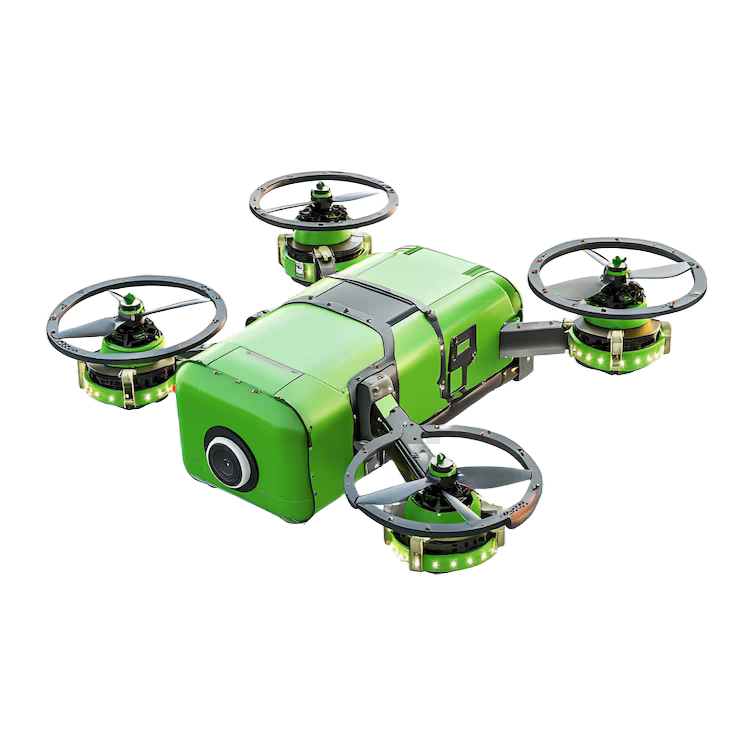
Gap ≥ 0.15 inside 5 km. Confirm a classification or identity at short range before committing an asset.
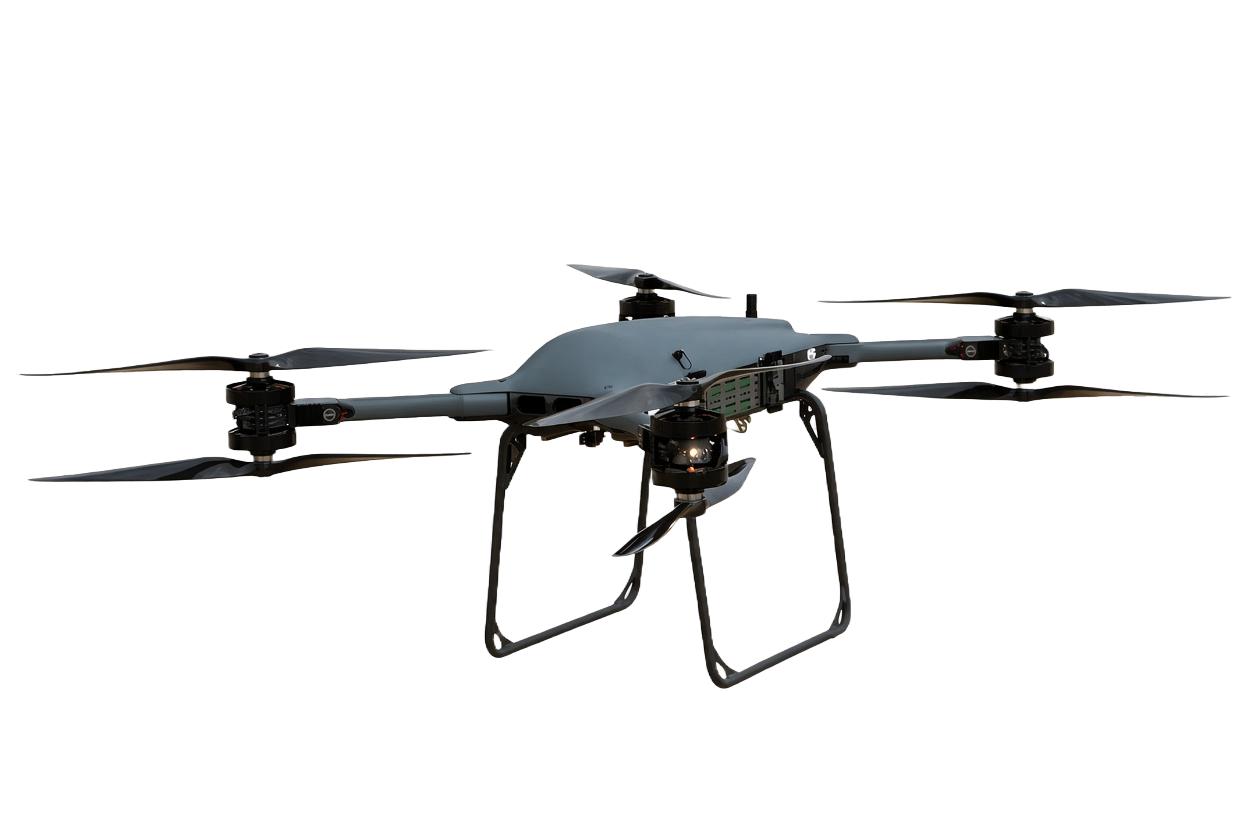
Overwatch, mapping, mesh relay, cargo carriage. Persistence at medium range.
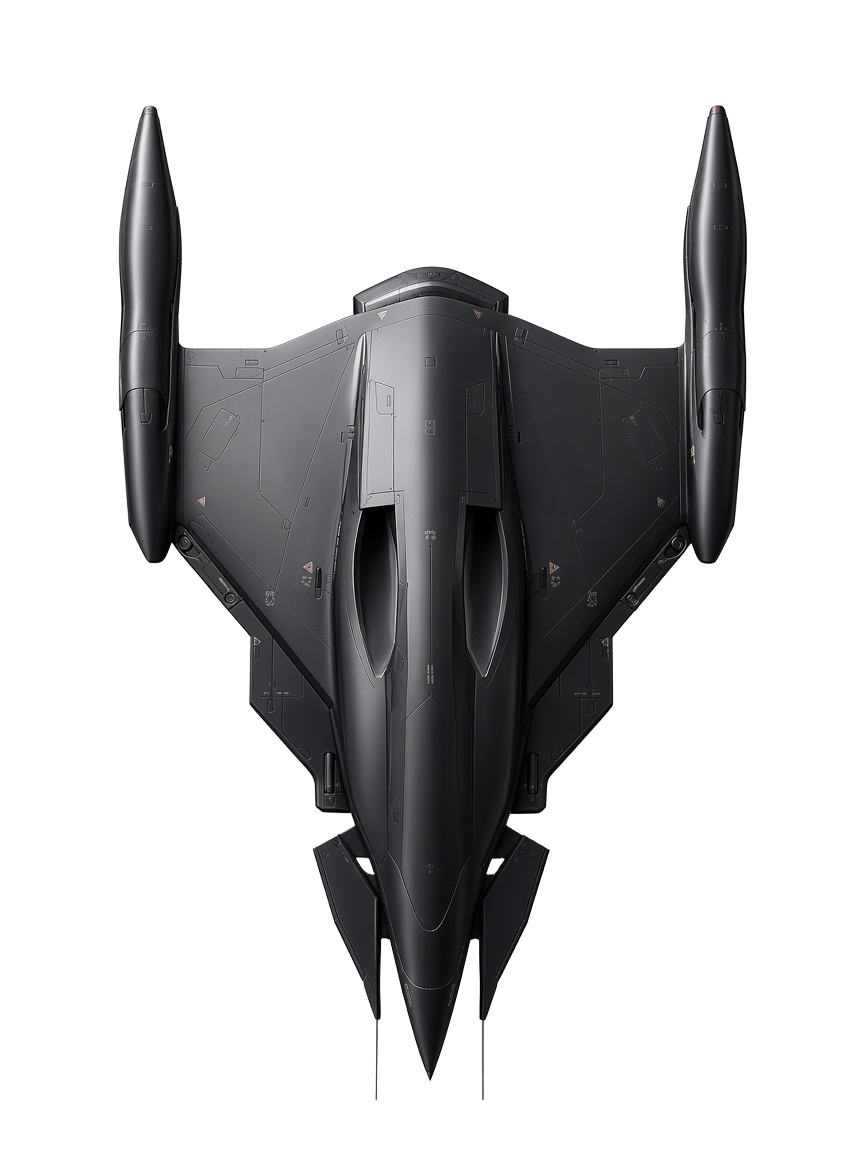
750km/h+ cruise speed, rapid reposition within 200 km for developing contacts.
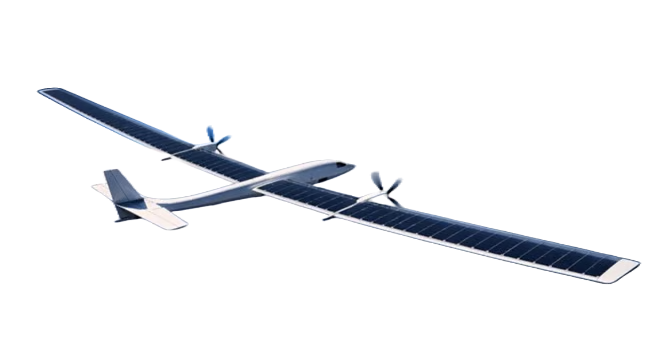
Strategic ISR, multi-hop relay fabric, persistent coverage at any distance.
Space & hardware
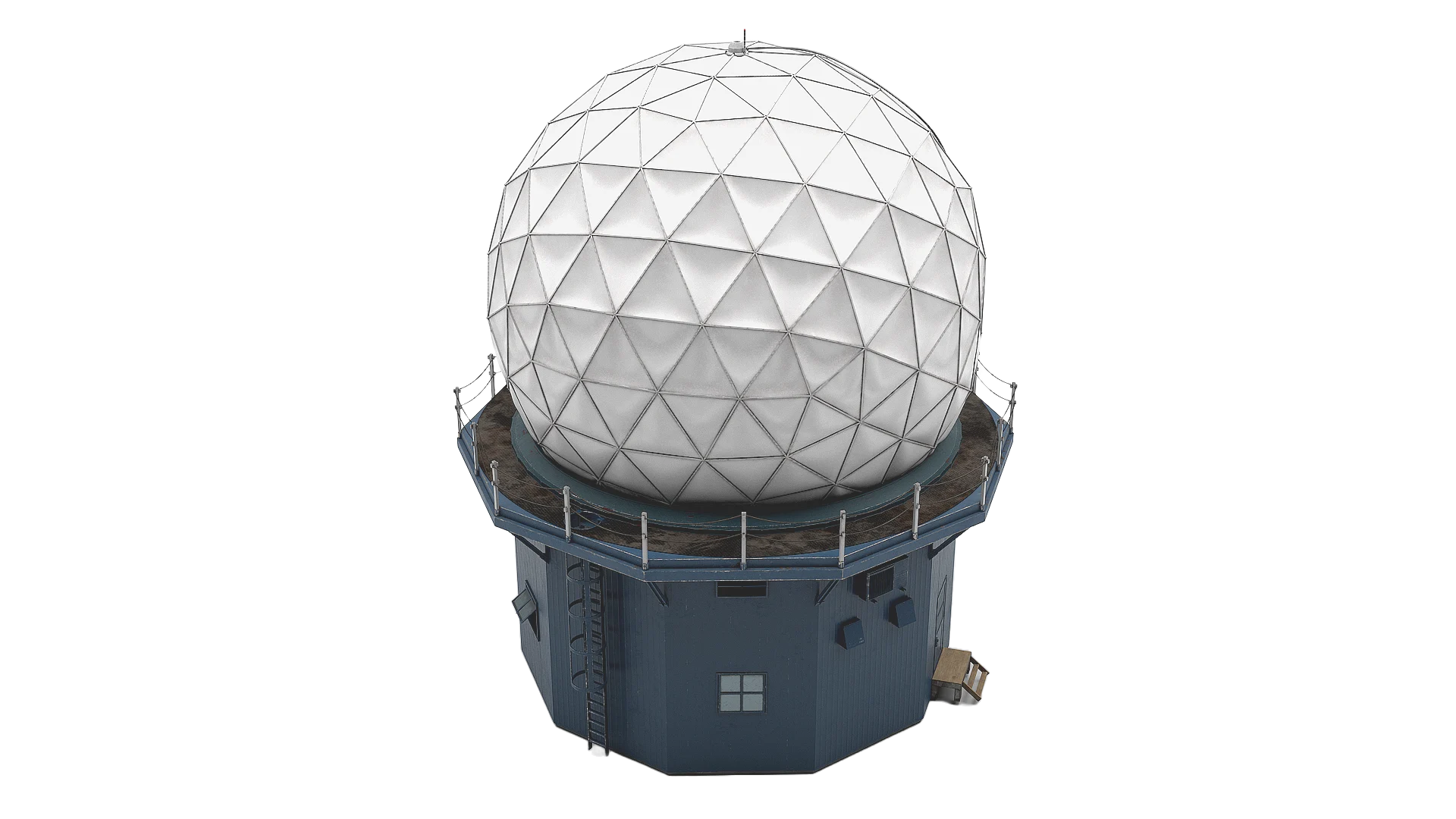
Military satellites, radomes, data centres and edge enclosures — the hardware foundation of the defence grid.
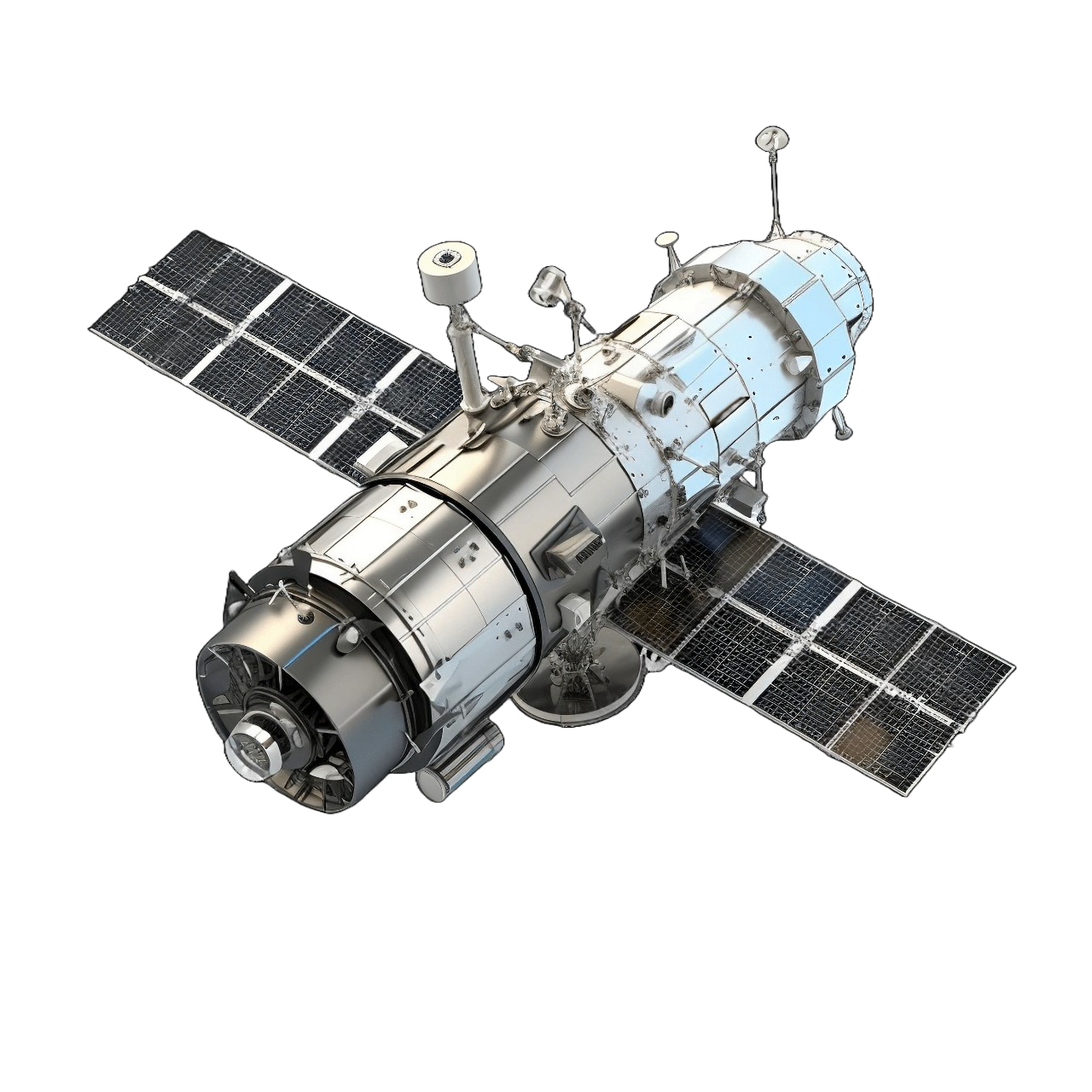
SATELLITE COMMS
RADOME
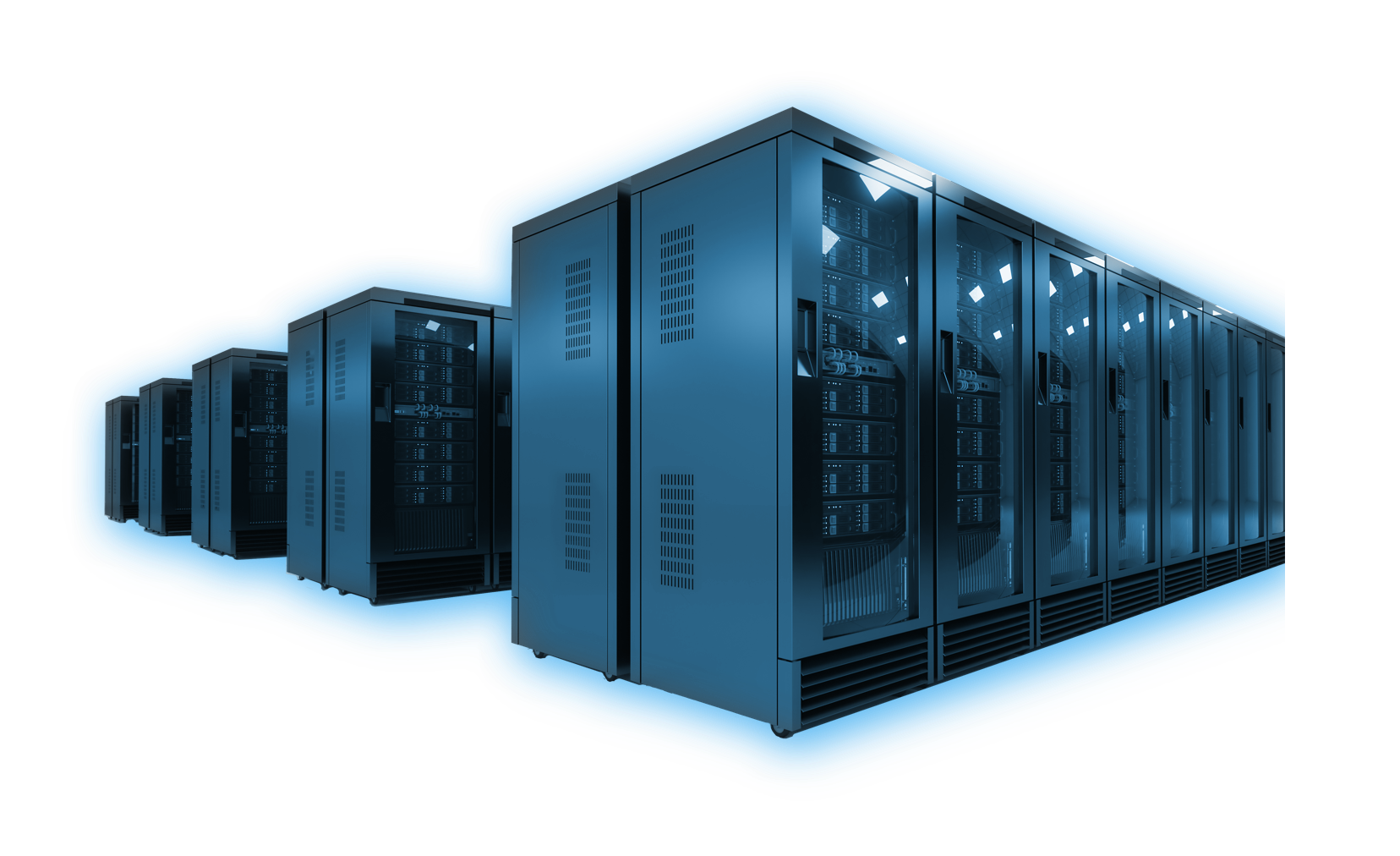
ENCLOSURE
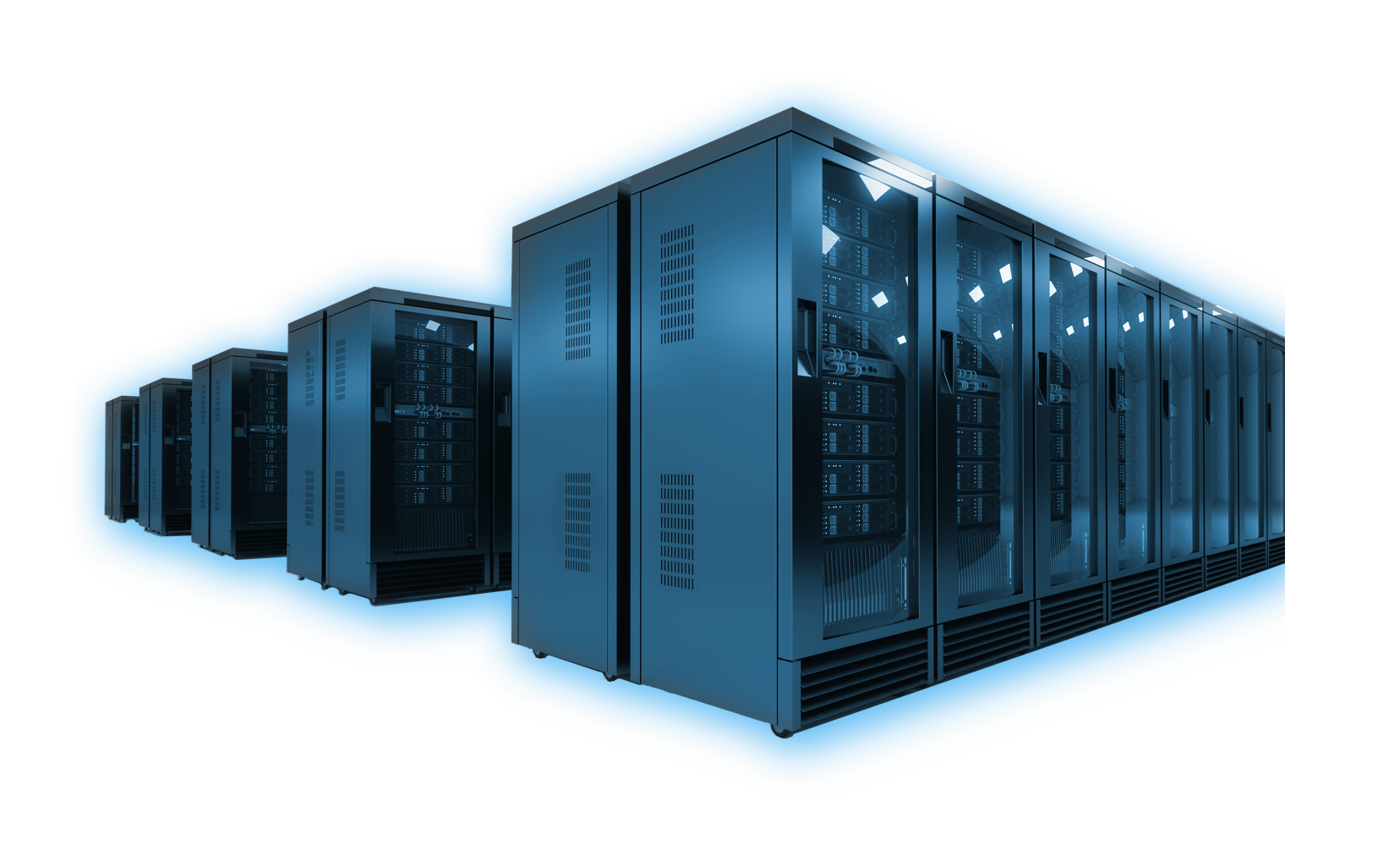
DATA CENTRE
Ground layer
Military ground vehicles, air-defence batteries, and sensor nodes — each a self-contained edge with edge inference.
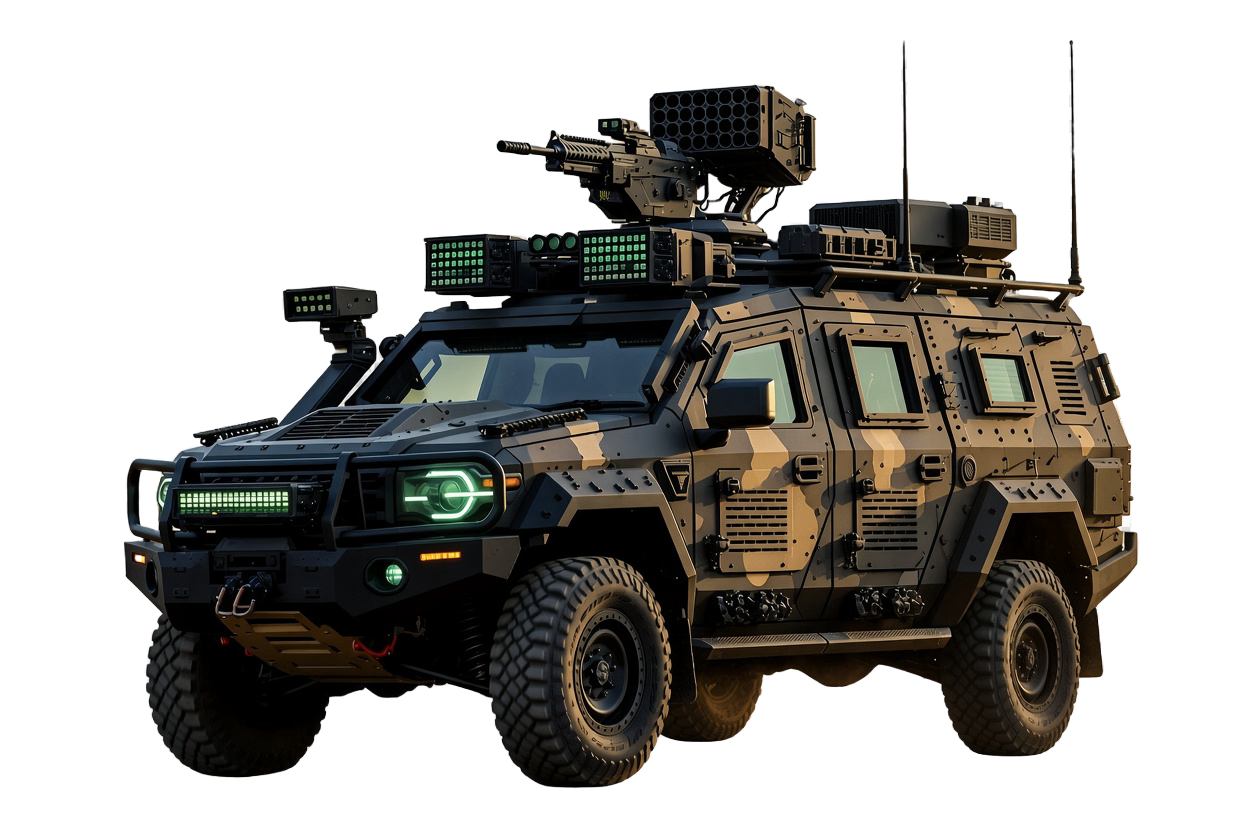
RAVEN NATIVE
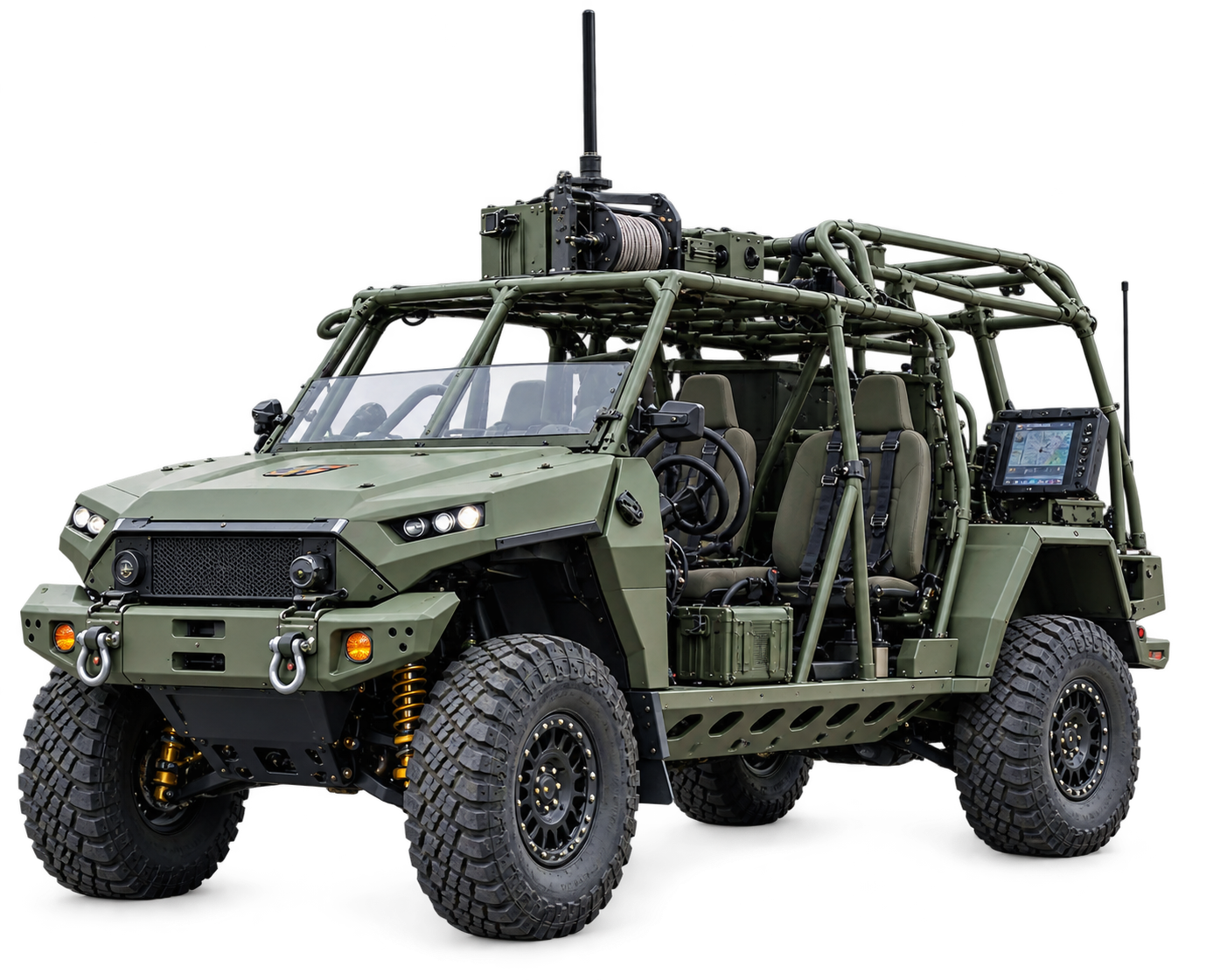
TACTICAL
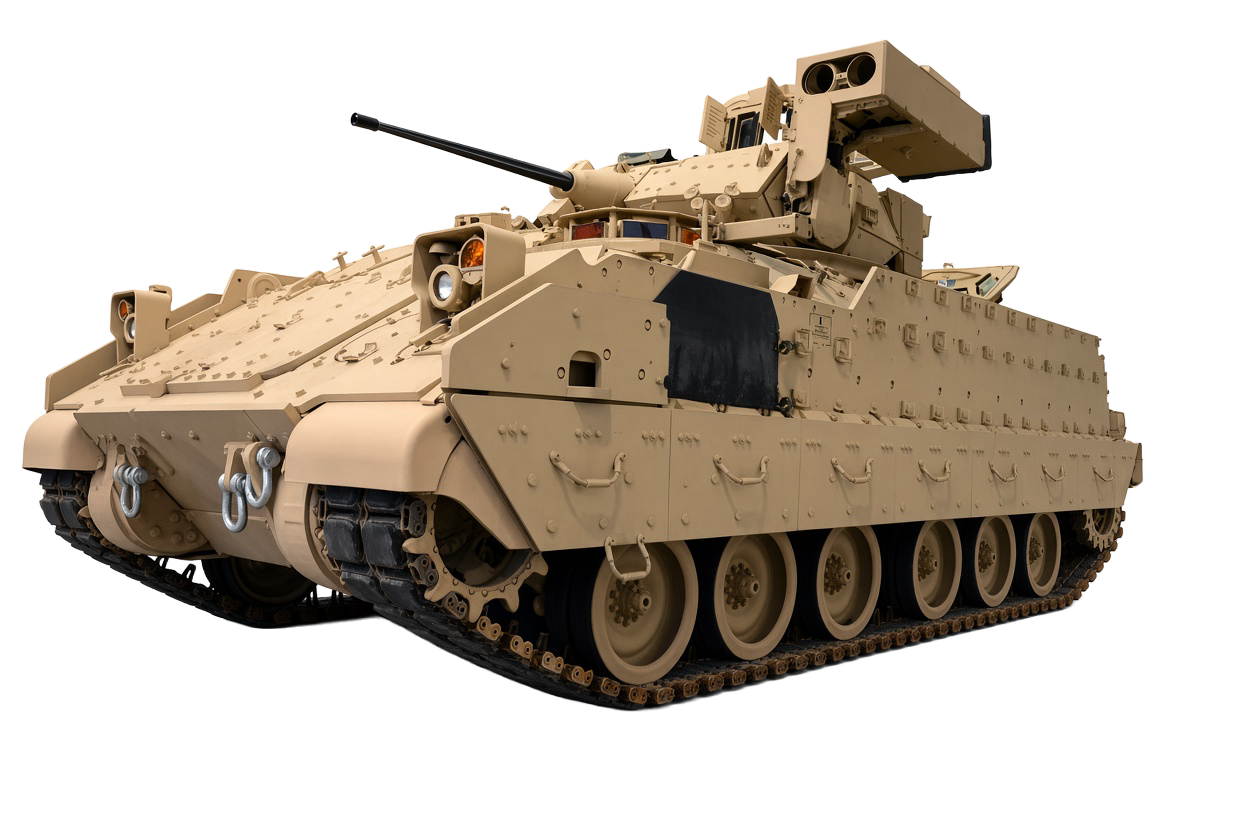
ARMOURED
Layered air defence
RAVEN supplies the military air picture. The battery supplies the fire-control loop.
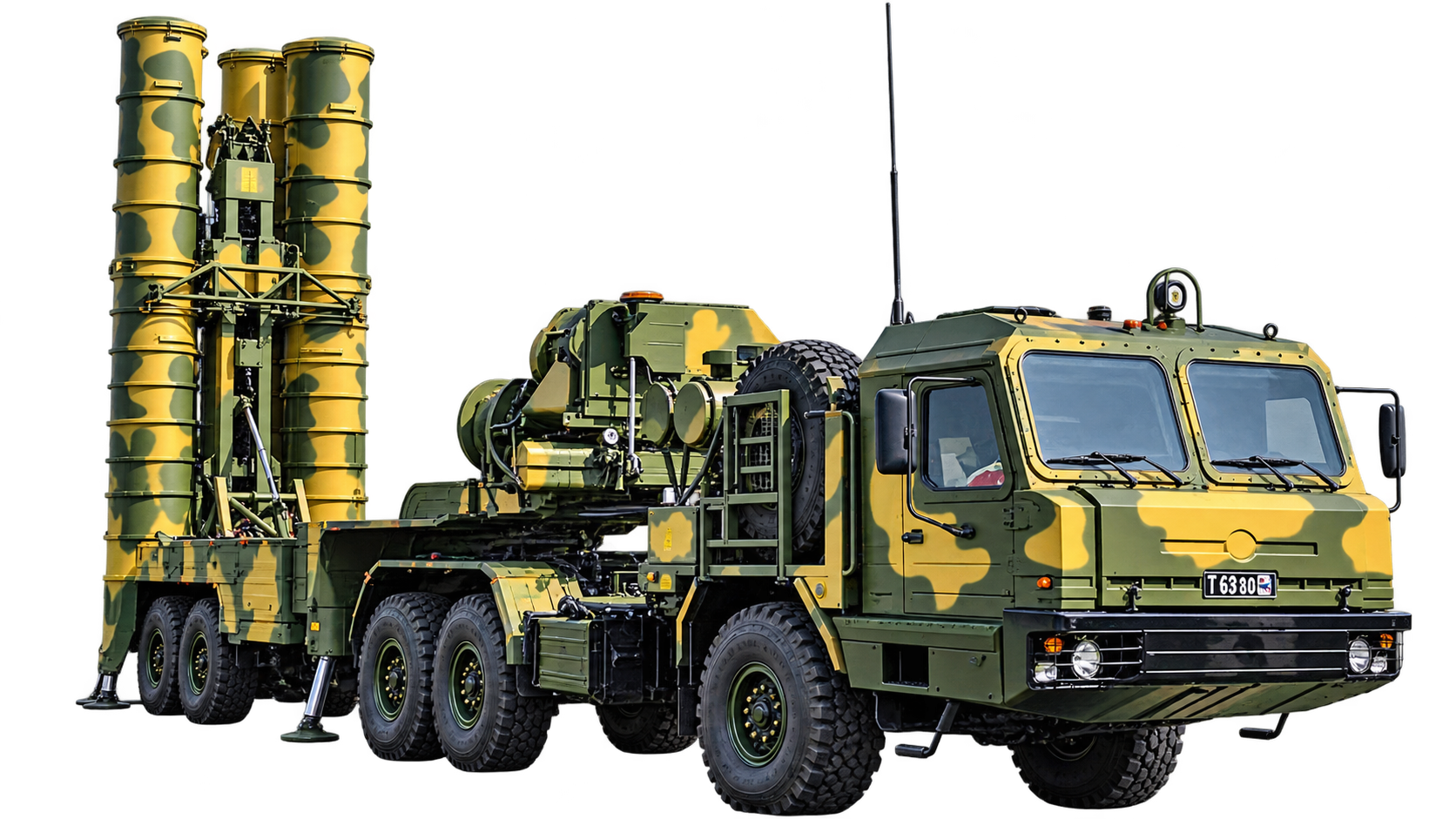
S-400
400 km engagement, 36 simultaneous targets. Picture supplied; fire-control untouched.
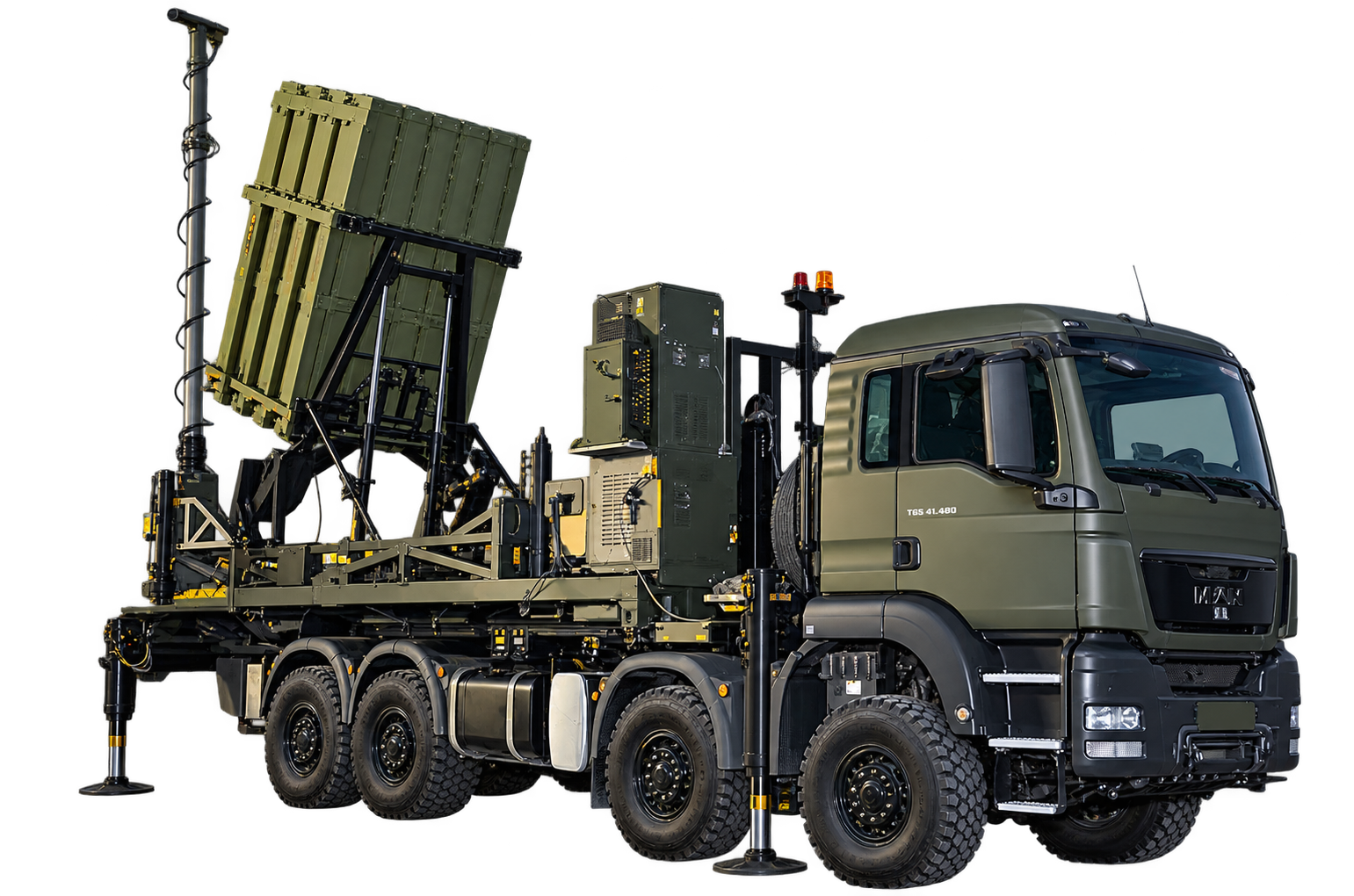
IRON DOME
Selective intercept of rockets and artillery, 150 km² coverage per battery.
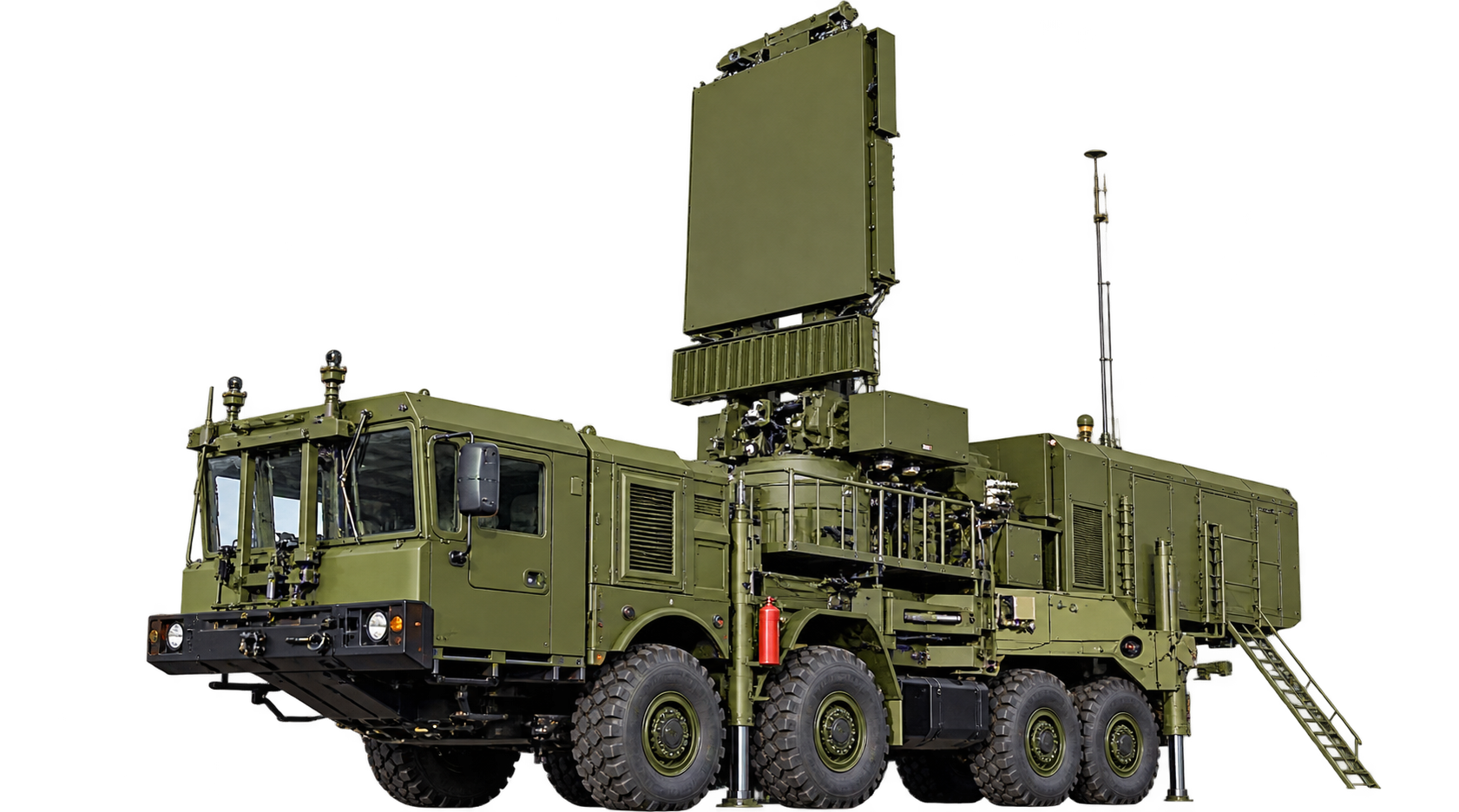
COMPONENT
Launchers, radars, missiles as separate military entities in the graph.
Rapid response architecture
RAVEN's distributed, AI-coordinated rapid response layer converts persistent military intelligence into rapid physical verification across large geographic areas.
08a / Military personnel systems
Every soldier is a
sensor node in
the defence grid.
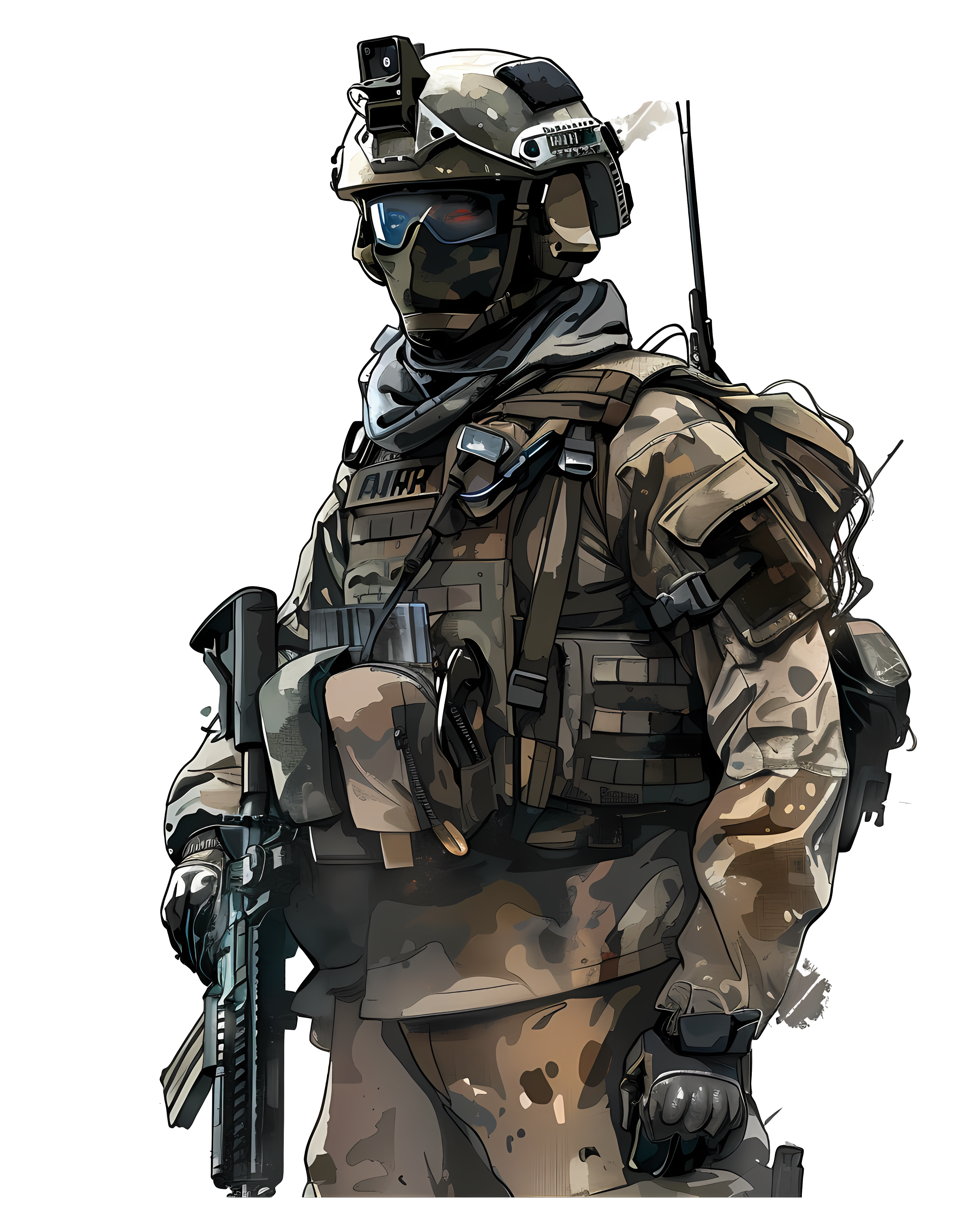
The RAVEN Integrated Tactical Helmet (RITH) transforms every dismounted operator into an autonomous sensor node with edge inference, spectrum awareness, cognitive load management and zero-trust data handling.
RITH helmet — full-spectrum combat system worn by every soldier. Night vision, thermal, cognitive load management, spectrum awareness, predictive trajectory overlay, and zero-trust data handling with biometric health monitoring.
displays
Night vision, thermal, day, sentinel surveillance, fused intelligence and tactical navigation — over navigation, situational-awareness and intelligence layers.
cognition
Cognitive state tracked across focused, loaded, overloaded, quiet and focus-lock. Audio alerts are rate-limited, focus locks suppress non-critical output, and quiet periods can be scheduled.
ew
RF environment graded from nominal through degraded, contested and hostile to silent. Six comms-path fallbacks selected automatically. GNSS fixes are fused with spectrum state rather than trusted blindly.
prediction
Predicts entity trajectories 15 minutes ahead against learned baselines, detects deviation from established patterns, suggests alternative routes around observed gaps, and renders what-if scenario overlays with confidence bands.
fusion
Fuses the operational picture at a geographic location within a 5 km radius — air, ground, maritime, space, cyber and EW — then filters the result by the wearer's role and clearance level.
swarm
Submits mission intents as structured objects (reconnaissance, resupply, intercept, CAS, EW, cyber, medical), plans swarm execution across available platforms, and tracks intent status to completion.
hardware
Hot-swappable hardware modules — vision, audio, compute, power, communications, physiological — each with health monitoring, thermal profiles, and auto-isolation on failure. Cryptographic identity per module.
armor
Armor integrity tracked across ballistic plates, helmet shell, visor, and body armor — with count, remaining integrity per piece, damage assessment, and protection-level grading reported to command.
health
Physiological monitoring — heart rate, stress, fatigue, hydration — with PersonnelStatus graded GREEN, YELLOW, RED, OFFLINE, or UNKNOWN. Environmental hazard exposure tracked and contagion-risk overlays generated.
power
A defined budget with an emergency reserve and a predicted-runtime figure, plus a duty-cycle policy and an ordered graceful-degradation sequence naming what gets shed as power falls.
security
Classification from unclassified to cosmic, with four access outcomes — allow, deny, redact, challenge. Device attestation and bounded audit trails included.
logistics
Consumable tracking across batteries, filters, medical kits, water, ammunition and communications, with logistics-status escalation to low, critical and resupply-requested.
medevac
Injury severity assessment, MEDEVAC request generation with precise location, casualty count, priority level, and available extraction asset routing.
coalition
Registers coalition interfaces, exchanges intelligence products with partner nations across NATO, US, UK and custom standards.
air defence
Dual-registration for long-range (S-400 Triumf) and short-range (Iron Dome) air-defence batteries. Priority target lists, readiness status, track ingestion, and dual-authorization engagement requests.
roe
Rules-of-engagement actions split into information and effects. Human involvement graded none, advisory, required or mandatory.
learning
After-action packages accumulate operator decisions, cognitive-load traces, network performance, AI recommendations, communications and hashed evidence.
09 / Military edge AI & autonomy
Autonomous systems that
work
in contested environments.
RAVEN's military edge stack assumes the network will drop, the uplink will be denied, the node will be attacked and the compute budget will be a fraction of what you have in the server room. Offline operation, quantisation, distillation, federated sync, self-healing and consensus are the design, not the fallback.
The network link is not a dependency.
Contested-environment resilience
Node behaviour under degraded conditions.
| Node status | Meaning | System behaviour |
|---|---|---|
| Healthy | All checks passing | Full task load, normal reporting |
| Degraded | Partial capability loss | Task load reduced, confidence penalties applied |
| Isolating | Suspected compromise | Traffic restricted, state preserved for analysis |
| Recovering | Executing recovery strategy | Rejoining under observation |
| Failed | Unrecoverable in place | Roles redistributed to surviving nodes |
- • Poisoning detection: triggers when model clean accuracy drops below 0.8× the established baseline
- • Six injection patterns are sanitized via regex matching: script tags, javascript:, on-event handlers, system(), exec(), eval()
- • Anomaly threshold for poisoning alerts is configurable (default 0.3)
- • Input sanitization enforces a 1 MiB max length with risk scoring proportional to anomaly count
- • Backdoor indicators flagged when targeted attack success rate exceeds 0.8 with clean accuracy above 0.9
10 / Trust & governance
Auditable
means you can
check it afterwards.
Governance in RAVEN is not a policy page. It is an authority model, a set of graded guardrails that take machine uncertainty as an input, an append-only hash chain, and a verification framework that withholds output rather than passing it on with a caveat.
| Level | Behaviour |
|---|---|
| Recommendation only | AI proposes; a human decides every time. |
| Advise & consent | AI advises; human authorisation is mandatory before anything happens. |
| Authorised delegation | Human pre-authorises inside declared constraints; delegation scope is explicit and time-bounded. |
| Full authority | A named operator holds final decision authority. Still audited, still logged, still traceable to a person. |
Fusion and effector factories default to observe_only with a 30-second correlation window. Tempo is something you configure, with the consequence written down.
Rules of engagement
No effector action. Full display of confidence and evidence.
Recommendation surfaced in operator planning queue, human decides.
Fire control solution generated but requires manual confirmation.
Automated effector engagement with post-action audit trail.
Confirmation grading
Human involvement is graded none, advisory, required or mandatory. Which grade applies is a function of the action type, the classification, and the stated uncertainty — not a single global policy.
11 / Sovereignty & audit
Your data,
your keys,
your audit trail.
12 / Military self-hosted
Run it on
your own hardware.
Pre-built images for AMD64 and ARM64. Docker Compose for a workstation, Helm for a cluster, a Tauri desktop shell for a laptop, and a lean participant profile for a Pi-class node. Your keys stay in your deployment.
Quick start
Three commands and a browser tab.
git clone https://github.com/bigbodycobain/raven-ai-main.gitcd raven-ai-maindocker compose pulldocker compose up -dRequires Docker Desktop or Docker Engine.
git clone https://gitlab.com/bigbodycobain/raven-ai-main.gitcd raven-ai-maindocker compose -f docker-compose.yml -f docker-compose.gitlab.yml pulldocker compose -f docker-compose.yml -f docker-compose.gitlab.yml up -dIdentical containers, same source, same CI, byte for byte.
Hardware
Four capacity tiers. Same codebase, different envelopes.
Military field deployments
Ruggedised military edge nodes deployed in minutes with readiness-gated rollout, an LRU model cache, a bounded offline store, and a stated offline operating budget of 72 hours before graceful degradation takes over.
13 / AR/VR spatial planning room
Plan in
shared three-dimensional space.
A persistent volumetric planning room where operators and soldiers place intelligence markers, terrain models and digital-twin overlays in real space — with positional audio and gesture input so the conversation happens around the battlefield, not around a screen.
A persistent AR/VR planning space where intelligence pins, terrain models, digital-twin overlays and ghost projections are placed in three-dimensional space with position, rotation and scale.
Spatial audio cues anchored to objects in the room — a bearing tone that moves as a track moves, proximity alerts, voice-channel separation.
Gesture and eye-tracking input handlers replace the mouse for selection, zoom and annotation in the volumetric space.
Six interface modes
Planning mode for collaborative layout, Execution mode for high-tempo engagement readouts, Edge mode for contested-field displays, AR/VR mode for full-immersive, After-Action mode for replay and measurement, and Standard mode for the default canvas.
Connected soldier
Individual soldiers with RITH helmets join the planning room as full participants — their position, orientation and selections visible to the room, while they receive role-filtered situational awareness, targeted waypoints, contextualised briefs and consolidated sensor feeds projected into their field of view.
Immersive after-action
The after-action review reconstructs the mission from recorded evidence inside the same spatial canvas — operator decisions, cognitive-load traces, network performance and hashed evidence anchored in the 3-D geometry where they happened.
RITH helmet intelligence layers
Via the RAVEN Integrated Tactical Helmet (RITH), individual soldiers join the AR/VR planning room as first-class participants. Their position and orientation are visible to the room. In return, they receive role-filtered intelligence projected into their helmet display across seven layers.
Waypoints, heading, obstacles, nearby team positions within 5 km radius, boundary alerts, targeted alerts filtered by role and clearance.
Contextualised intelligence with timestamp, location, source, confidence score, and recommended action — fused from air, ground, maritime, space, cyber and EW domains.
15-minute trajectory predictions against learned baselines, deviation detection, alternative route suggestions, what-if scenario overlays with confidence bands.
RF environment graded nominal through degraded, contested, hostile to silent — with six comms-path fallbacks selected automatically.
14 / military ground layer
G1–G6 military vehicles as
mobile intelligence nodes.
The terrestrial nervous system. Ground vehicles extend intelligence from the sky into terrain — each a self-contained edge node running local inference, forming its own picture when the network is degraded, and feeding the LONGONOT and KIFARU backbone with position, status and sensor data.
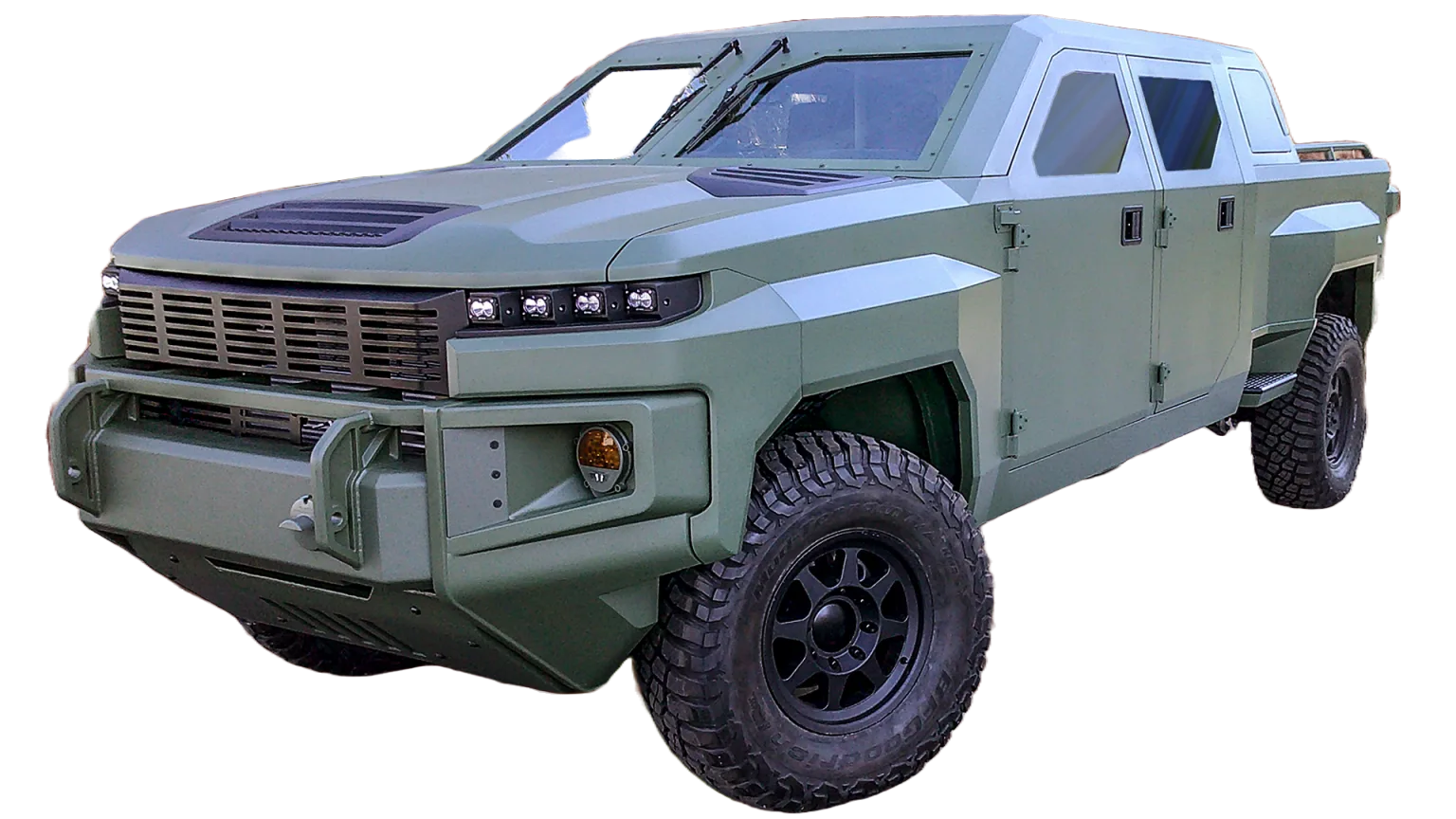
Forward command and reconnaissance node with organic edge inference, communications relay and a modular payload bay.
Armoured tactical carrier running a local ground intelligence graph with onboard compute profiles.
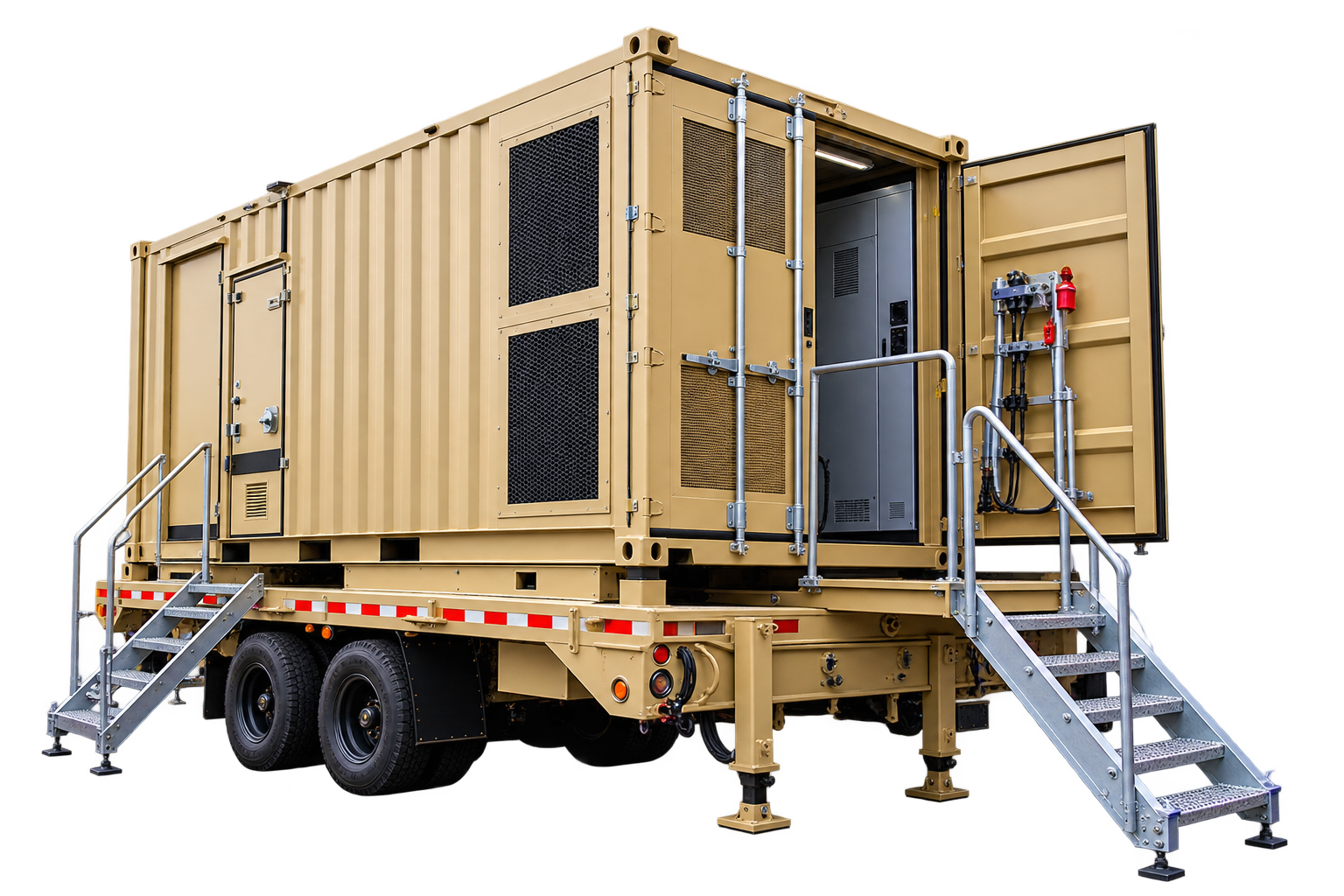
A self-contained mobile command post hosting the HUD tactical display, fire-control coordination and real-time authority delegation.
Connected logistics node tracking consumables — fuel, ammunition, batteries, medical supplies — with predictive demand modelling.
Long-haul mesh relay extending B.A.T.M.A.N.-style protocol into areas with degraded or absent infrastructure.
Medical and rescue-focused emergency node providing trauma tracking, casualty evacuation coordination and hazard monitoring.
Platform gallery
Class, variant, status, weapons and position as first-class fields for military C4ISR.
g1
g2
g3
g4
g5
g6
Air-defence component detail
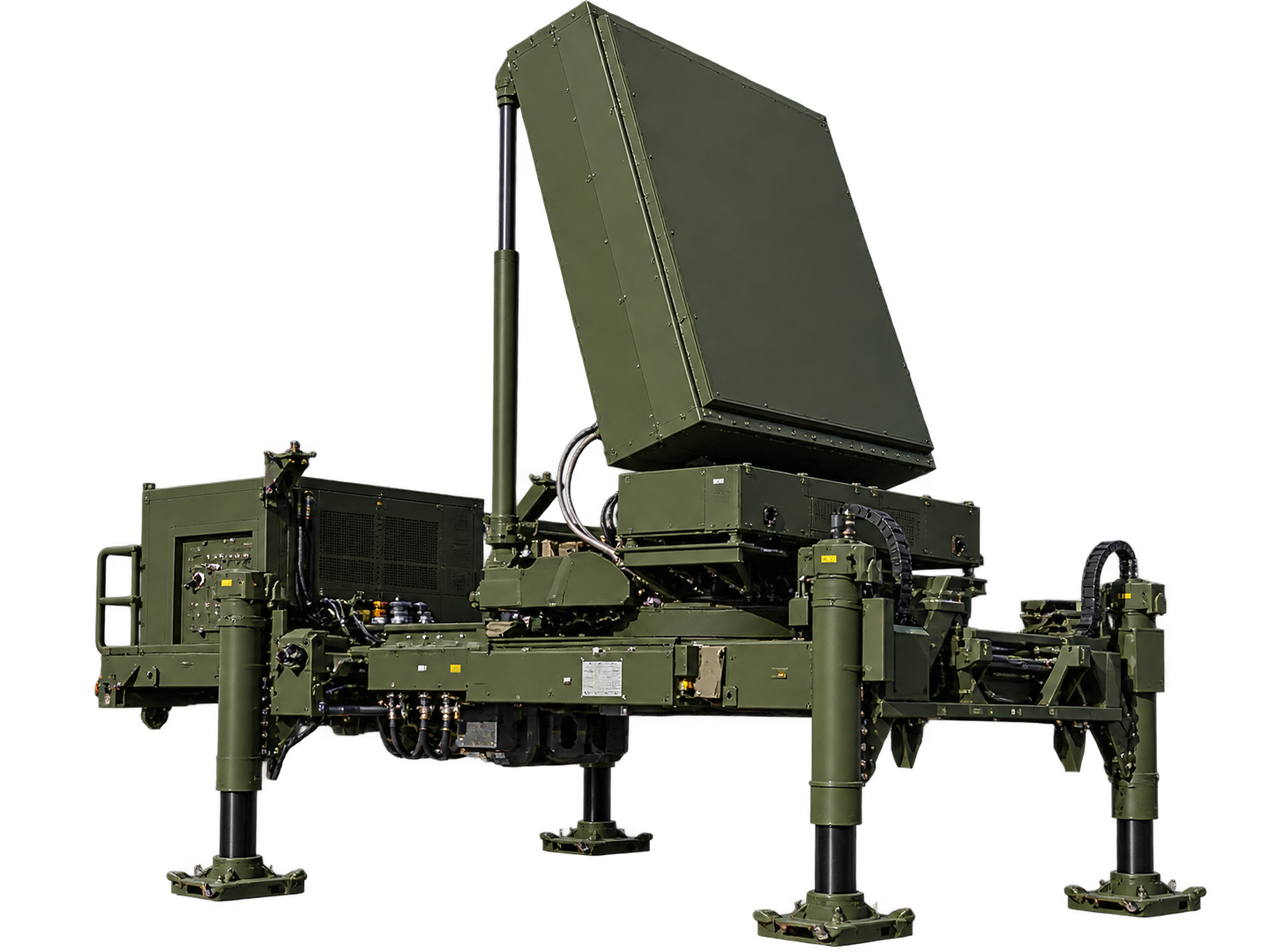
S-400 launchers, radars, and missiles as separate military entities for component-level modelling. Each tracked, positioned, and auditable.
S-400 COMPONENTS
IRON DOME COMPONENTS
INTERCEPTOR
FPV DRONE
Layered air defence integration
RAVEN does not replace the native fire-control loops of military air-defence systems. It supplies a higher-fidelity multi-domain tactical picture, predictive prioritisation of incoming threats, cross-system deconfliction and strict human-authorised weapon release authority.
S-400 TRIUMF
IRON DOME
RADOME
SATCOM
KIFARU DC
S-400 Triumf: 400 km engagement, 36 simultaneous targets. Iron Dome: selective intercept of rockets and artillery, 150 km² coverage per battery. Both integrate as sovereign effector layers under ROE gates.
Counter-UAS
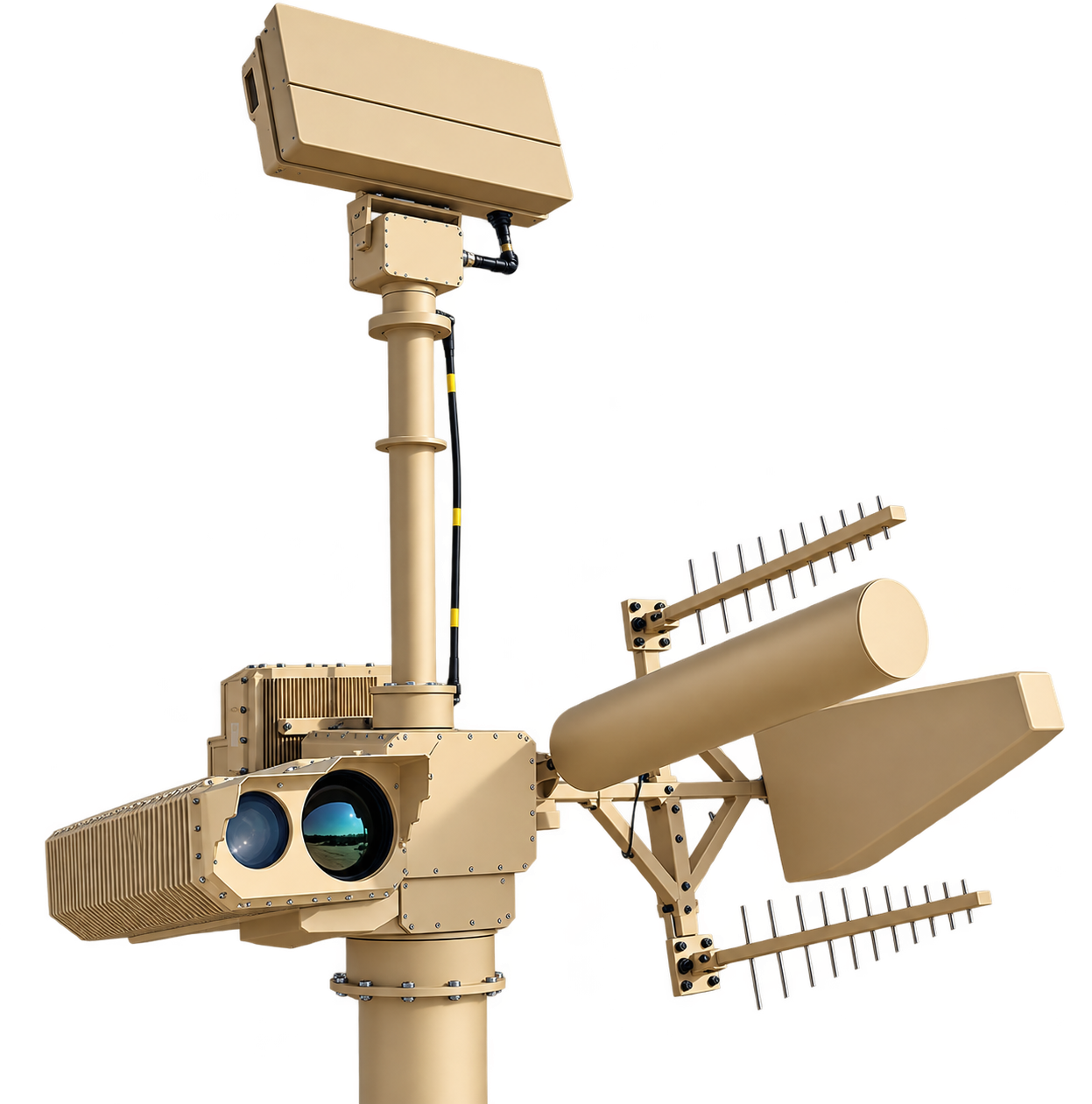
Layered defence against small unmanned aerial systems using RF sensing, AI classification, electronic attack and kinetic interception.
COUNTER-UAS
KINETIC INTERCEPT
RF JAMMING
Detects small UAVs via radio-frequency scanning and electro-optical tracking.
Distinguishes benign from adversarial drones using signature and behavioural analysis.
Targets GNSS and command links to force drones off course or return to home.
Directed-energy or projectile interceptors engage high-priority threats at short range.
Organic air
Rotary-wing and tilt-rotor assets organic to ground formations — attack helicopters, utility transports and UAVs — integrated into the battlespace picture for rapid response and close-air support.
HEAVY-LIFT UAS
ATTACK UAS
RECON UAS
Rapid response — LAYER 01–04
Threat-to-effector response executed in milliseconds when authorised, sequenced across four layers of the response pipeline.
Sensor cueing from ground, air and space triggers immediate threat classification.
AI ranks incoming threats by trajectory, speed and payload to compute optimal response sequencing.
Matching threats to available effectors across air, land and maritime domains with ROE compliance.
All weapon releases require explicit human confirmation at the ROE gate before execution.
15 / Counter-C6ISR & kill web
Deny the
enemy's kill web.
Counter-C6ISR anticipates and defeats adversary command, control, communications, computers, intelligence, surveillance and reconnaissance — while the kill-web constructor sequences your own effects across cyber, electronic warfare, information and kinetic domains.
8 counter-tactics
Kill web sequencing
Effects sequenced across four domains. Each link carries its own latency and confidence — the critical path is walked explicitly rather than assumed.
Latency: seconds
Network access, credential compromise, sensor blinding
Latency: sub-seconds
Radar jamming, deceptive emissions, spectrum denial
Latency: minutes
Deception narratives, command influence, morale impact
Latency: minutes
Precision strike, area weapons, infrastructure attack
16 / Cyber, EW & information ops
Fight on the
electromagnetic spectrum.
Cyber terrain, spectrum management and information operations treated as first-class domains.
CYBER TERRAIN
Organisation and internet Exchange Point maps with AS-level peering, provider diversity and single-homed critical asset identification.
Shodan-indexed internet-facing assets — cameras, SCADA, routers, industrial controllers — with service banners and exposure timelines.
CISA Known Exploited Vulnerabilities, exploitDB, malware C2 callbacks and threat-intel feed corroboration.
SWIFT flows, corporate supply-chain stress, maritime port throughput and energy-market swings.
Telegram OSINT channels, protest and demonstration geolocated data, information-operation narrative tracking.
SPECTRUM STATES
RF environment graded across five states — from clean to radio-silence.
| State | Description |
|---|---|
| Nominal | Clean spectrum, GNSS fixing normally, comms at full bandwidth. |
| Degraded | Spotty interference, some paths degraded, GNSS fixes becoming unreliable. |
| Contested | Active jamming on key bands, directional antennas in use, GNSS integrity warnings. |
| Hostile | Saturation jamming across multiple bands, GNSS denied, comms restricted to hardened paths. |
| Silent | All emitters off, radio-silence enforced, navigation via dead-reckoning and terrain matching. |
16a / Swarm intelligence
Autonomous agents
across every domain,
bound by rules of engagement.
RAVEN's swarms are autonomous agents operating across 13 functional domains — from perception and logistics to doctrine and threat prediction. Each agent is a node in the distributed intelligence fabric, contributing observations and receiving role-appropriate tasking. Human authority gates every consequential action through encoded rules of engagement and constraint expressions.
Agent domains
Thirteen domains of autonomous agent operation, each with domain-specific reasoning and tasking.
Sensor fusion and raw signal processing across all modalities.
Supply chain status, resupply demand, and resource allocation.
Tactical doctrine interpretation and procedure adherence.
Adversary intent modelling and behavioural forecasting.
Fire-control solution generation and weapon-target pairing.
Command and control message routing and protocol translation.
Tasking of organic and allied sensors to close confidence gaps.
Comms relay coordination and spectrum-aware routing.
Multi-source navigation with GNSS-denied fallback.
EW emissions, cyber intrusions, and spectrum denial.
All-source intelligence production and disseminations.
MEDEVAC request generation and casualty triage.
Civilian movement, narrative tracking, and influence operations.
Rules of engagement
Eight rules-of-engagement levels from monitor-only to full engagement, and eight constraint types (action allow-list, action block-list, geofence, exclusion zone, time-window, target-type, weapon-type, collateral-risk threshold) checked against every proposed agent action.
Coalition formation
Agents form cross-domain task forces for joint missions — reconnaissance, resupply, intercept, close-air support, EW, cyber, and medical — planning execution across available platforms and tracking intent status to completion. Coalition interoperability registers partner-nation interfaces and exchanges intelligence products across NATO, US, UK, and custom standards.
16b / Continuous red-team
Adversarial stress,
always on.
RAVEN's continuous red-team engine runs persistent probing against the operational picture — eight TTP patterns with automated probe cycles that surface vulnerabilities, validate assumptions, and generate findings that feed back into the digital twin. Every probe is recorded as a RedTeamFinding with severity grading and remediation tracking.
TTP library
Eight adversary behaviour patterns modelled for continuous probing and stress-testing.
Reconnaissance patterns: perimeter probing, sensor gap exploitation, observation of patrol cycles.
Network penetration: credential compromise, C4ISR data flow disruption, sensor fusion blind spotting.
Operational disruption: logistics interdiction, communications degradation, supply-line severance.
Information warfare: false track injection, narrative manipulation, confidence erosion in analyst judgement.
Force structure elements
Each red-team finding is tied to a ForceStructureElement — personnel, platform, network segment, or infrastructure component — with remediation tracking and severity grading (low, medium, high, critical). Findings propagate into the digital twin for simulation-based validation of countermeasures.
16c / Strategic foresight
See around
tomorrow's
threats.
RAVEN's foresight engine runs scenario-based strategic forecasting across trend directions, risk categories, and investment types — modelling adversary force generation, technology races, industrial base stress, and threat-system development timelines to produce probabilistic forward-looking assessments with visible uncertainty bands.
Ascending, descending, stable, cyclical, emergent — tracks observed trajectory against learned baselines with deviation confidence.
Operational, strategic, capability, geopolitical, industrial-base — each with time-horizon and confidence decay.
R&D, procurement, training, infrastructure, personnel — projected demand with multi-year horizon and scenario weighting.
Forward-looking outputs
Investment advisories, capability-gap analysis, technology-race tracking, and force-generation planning outputs — each with scenario weights, confidence bands, and evidence provenance tying forecasts back to observed data.
16d / Defense LLM training
Train the
reasoning engine,
never the data.
RAVEN's defense LLM training pipeline operates entirely within the sovereign deployment boundary. Computer vision models provide ground truth for imagery, behavioural predictors generate synthetic scenario data, and adversarial training runs inside the continuous red-team loop — with zero PII in the training pipeline and all checkpoints hashed into the immutable evidence ledger.
16e / Ground edge AI
Vehicles as
mobile inference
nodes.
Each ground vehicle runs a local EdgeAIInferenceEngine — deploying computer vision, thermal anomaly, acoustic classifier, LiDAR segmenter, multispectral analyzer, and behavioural predictor models across compute profiles from Jetson Orin to ruggedized edge. Local inference builds a LocalOperationalPicture from sensor batches, recommends counter-UAS responses, and launches organic UAS for closer inspection — all while keeping the wider intelligence graph synced.
Inference models
Real-time object detection from optical and SAR feeds.
Heat-signature deviation detection for concealed positions.
Sound-based threat classification — gunfire, engines, footfall.
3D point-cloud segmentation for terrain and structure analysis.
Multi-band signature fusion across visible, NIR, and SWIR.
Entity movement and intent forecasting against learned baselines.
Compute profiles
Six hardware profiles from edge to cluster — each with model activation and bounded offline storage for disconnected operations.
16f / Solder node
Every soldier,
a node in the
intelligence fabric.
The Solder module models individual personnel and teams as first-class RAVEN network nodes. Each SolderNode reports position, status, team association, equipment health, and environmental readings — while receiving role-appropriate intelligence alerts filtered by clearance and tasking. Solders are not endpoints receiving radio chatter; they contribute observations to sensor fusion and receive back contextualised intelligence from the network.
Node types in the intelligence graph
Solders integrate with ground vehicles, aerial assets, infrastructure, command, and environmental nodes — all linked by cross-domain relationships in the intelligence graph with geospatial proximity lookup.
16g / RITH deployments
Fifteen helmets,
real positions,
live status.
Each RITH helmet is a full-spectrum combat system with night vision, thermal imaging, cognitive load management, spectrum awareness, and zero-trust data handling. Fifteen deployed units with live status, battery, comms, and GPS.
| Callsign | Role | Status | Battery | Comm | Edge AI | Position |
|---|---|---|---|---|---|---|
| Alpha-1 | Infantry | Online | 87% | Green | Active | 1.324°S, 36.812°E |
| Bravo-2 | Medic | Online | 92% | Green | Active | 1.325°S, 36.810°E |
| Charlie-1 | Engineer | Degraded | 64% | Amber | Active | 1.323°S, 36.815°E |
| Delta-1 | Commander | Online | 95% | Green | Active | 1.322°S, 36.808°E |
| Echo-1 | Analyst | Online | 78% | Blue | Active | 1.326°S, 36.811°E |
| Foxtrot-1 | Sniper | Online | 83% | Green | Active | 1.320°S, 36.820°E |
| Golf-1 | Comms | Online | 91% | Green | Active | 1.321°S, 36.809°E |
| Hotel-1 | EOD | Maintenance | 52% | Offline | Inactive | 1.327°S, 36.813°E |
| India-1 | JTAC | Online | 88% | Green | Active | 1.319°S, 36.814°E |
| Juliet-1 | Heavy weapons | Online | 94% | Green | Active | 1.325°S, 36.807°E |
| Kilo-1 | Infantry | Online | 79% | Green | Active | 1.323°S, 36.816°E |
| Lima-1 | Sniper | Online | 86% | Green | Active | 1.318°S, 36.822°E |
| Mike-1 | Infantry | Degraded | 32% | Red | Active | 1.328°S, 36.817°E |
| November-1 | Medic | Casualty | 45% | Red | Active | 1.324°S, 36.810°E |
| Oscar-1 | Pilot | Online | 93% | Green | Active | 1.317°S, 36.805°E |
RITH subsystem engines
Twelve internal engines compose the RITH helmet — each a dedicated subsystem with its own state machine, alerts, and integration points.
Spectrum state management with DegradationState and CommsPath routing across five states.
CognitiveState tracking across focused, loaded, overloaded, quiet, and focus-lock with attention prioritisation.
15-minute trajectory prediction against learned baselines with what-if scenario overlays.
5 km radius fusion across air, ground, maritime, space, cyber and EW — filtered by role and clearance.
Hot-swappable modules (vision, audio, compute, power, comms, physiological) with health monitoring and auto-isolation.
Defined power budget with emergency reserve, predicted runtime, and graceful-degradation sequencing.
Zero-trust with DataClassification from unclassified to cosmic, AccessDecision allow/deny/redact/challenge.
Mission intent submission as structured objects — recon, resupply, intercept, CAS, EW, cyber, medical.
Consumable tracking — batteries, filters, medical kits, water, ammunition, comms — with escalation statuses.
Mission recordings reconstructed from decision traces, cognitive-load data, and hashed evidence.
Rules-of-engagement actions split into information and effects with ROEActionType and AccessDecision checks.
Partner-nation interface registration with CoalitionStandard and DataModelType exchange protocols.
16h / Air defense
S-400 and Iron
Dome as
auditable effectors.
RAVEN integrates with S-400 Triumf and Iron Dome batteries as distinct, component-level military entities. Each battery, radar, missile type, and interceptor is individually tracked, positioned, and auditable — with engagement authorization subject to ROE gates and human confirmation.
Specific missile types
Both systems track specific missile and interceptor types with range, speed, and engagement envelope data.
16i / Mesh networking
Five mesh
routers, one
resilient network.
RAVEN's mesh network is composed of six specialized routers — peer sync, operator, oracle, distributed mesh, and public mesh — each with dedicated endpoint surfaces for message passing, signal status, channel management, and consensus-based reputation. The network extends ground mobility into the intelligence fabric, with voting and reputation systems ensuring data integrity across disconnected operations.
Mesh API surface
Dedicated endpoints for message passing, signal status monitoring, channel management, and reputation-based consensus — ensuring data integrity across disconnected and contested network conditions.
16j / Autonomous vehicle control
RAVEN drives
the vehicle,
the AI decides the next move.
RAVEN directly controls and dispatches unmanned aerial vehicles and unmanned ground vehicles through a closed-loop aerial intelligence layer. Events flow through the Uncertainty Engine for confidence assessment → platform selection (right sensor, right place, right time) → concrete dispatch → evidence collection → re-assessment with mission chaining → fleet self-healing on platform failure. RAVEN does not merely consume sensor data — it actively seeks it.
Aerial fleet — four tiers
Four platform kinds coordinated through the AerialIntelligenceLayer with active perception and mission chaining.
Interceptor drone state machine
Eight formal lifecycle states — DOCKED, READY, ALERT, TRANSIT, OBSERVING, RETURNING, RECOVERED, STANDBY — with hybrid propulsion switching between electric VTOL and combustion dash modes, multi-path communications with graceful degradation, and machine-enforced safety envelopes including geofence, restricted zones, and energy-reserve minimums.
Ground vehicle fleet
Six vehicle classes (G1 Expeditionary through G6 Emergency) — each a mobile RAVEN node with local sensing, edge AI compute, mesh networking extension, organic UAS launch/recovery, counter-UAS jamming, authorized payloads, and a digital twin. Ground vehicles drive autonomously within ROE gates and can launch organic UAS (ISR, relay, verification, search, logistics) for closer inspection.
Closed-loop orchestration
Event → Uncertainty Engine assesses confidence → selects platform (right sensor, right place, right time) → Aerial Intelligence Layer dispatches the concrete platform → platform executes → evidence fed back for re-assessment → if still insufficient, chain steps down to next resolution tier → if a platform fails, the layer self-heals by reallocating. This is active perception: RAVEN seeks evidence, not just consumes it.
17 / Training & logistics
Sustain the
force, train the
operator.
Training that fuses live, virtual and constructive sources into the same battlespace picture — and logistics that knows where every battery, every round and every drop of fuel is, with predictive demand modelling.
Over 4,300 automated tests. 72-hour offline budget for edge nodes. Every engagement becomes training data.
Training
Scenario-based training derived from real engagements, with anonymized decision traces preserved for model improvement.
Live sensor feeds fused with virtual and constructive simulations — so a real aircraft track, a synthetic threat and a planned red-team force all inhabit the same battlespace picture with the same confidence semantics.
Build, iterate and evaluate force packages against scenarios — composing platform types, payload classes and authority envelopes.
Monte Carlo branch generation across land, sea, air, space, cyber, electronic warfare, human terrain and logistics, with victory-condition evaluation.
Logistics
Connected logistics tracks consumables across the fleet — fuel, ammunition, batteries, medical supplies — with predictive demand modelling and automated resupply.
A living model of every consumable — fuel, ammunition, batteries, medical kits, water — tracked end to end with projected burn rates and resupply windows.
Sensor telemetry on equipment health feeds a predictive maintenance engine that schedules service before failure.
Industrial integration with supply-chain forecasting, inventory positioning and transportation-line-of-communications modelling.
Kifaru mobile data centres — deployable battlefield C4ISR compute clusters at forward operating bases, providing sovereign AI inference in contested environments. Each unit runs an isolated instance with a 72-hour offline budget, surviving disconnected operations without external infrastructure.
18 / RAVEN knowledge layer
Every decision
leaves evidence.
The historical intelligence layer that closes the loop. Every validated observation is archived as a tamper-evident knowledge entry; outcomes feed back into learning, TTP detection, and federated delta sync.
Closed intelligence loop
The 10 stages of accountability.
Immutable evidence ledger
A blockchain-anchored, hash-chained ledger of every cycle result. Each record ties an analytical result to the evidence that produced it — identical evidence yields identical confidence, every inference step is ordered with per-step confidence, and any retroactive modification is immediately detectable through chain verification.
19 / Convergence & collection
Commercial data
and military
sensors, fused.
RAVEN ingests commercial satellite, maritime, financial, social, and industrial data streams at global scale alongside military sensors — with explicit credibility and confidence ratings on every source.
Data source types
20 / Explainability & HMH
Every
recommendation is
explained.
Model-agnostic explainable AI with auditable human interventions, collaborative planning rooms, and a dedicated challenge interface where operators dispute automated decisions.
XAI capabilities
Human overrides
Five auditable human intervention modes.
Human can reject or modify any AI recommendation before execution.
Operator can directly assign effector actions bypassing AI suggestion.
Immediate halt to all autonomous action, preserving current state.
Operator can re-classify entity categories and threat levels.
Human can withhold any output from downstream consumers.
Shared planning room
A collaborative human-machine interface with shared workspaces, role-based views, annotations, and linked views — so a commander and an analyst work the same picture, not two copies of it. Agent presence is visible as attention orbs and insight cards in the right rail.
21 / Claim hygiene & privacy
What RAVEN does
not claim to do.
What we do not claim
- ·RAVEN is not a sensor platform. It does not collect raw data itself; it correlates data you already have.
- ·We do not claim a headline detection accuracy. Quality depends on your sensors, environment, and thresholds — and every threshold is yours to read, change, and test.
- ·RAVEN is not a decision-making system. It presents confidence scores and evidence so human operators decide.
- ·We do not promise future-looking predictions as facts. All forecasts are probabilistic, with visible uncertainty bands.
- ·The system is not open source. All models, layers, and pipelines are proprietary.
- ·There is no free tier. All access requires a paid licence and contact with sales.
- ·We do not guarantee 100% sensor availability. Offline resilience is engineered, not assumed.
Privacy posture
| Channel | Status | Meaning |
|---|---|---|
| Meshtastic / APRS | Public | RF transmissions are public and interceptable by design. |
| InfoNet gate chat | Obfuscated | Gate personas and canonical payload signing, but not end-to-end encrypted. Metadata is not hidden despite Tor and Reticulum design. |
| Dead Drop DMs | Strongest current lane | Token-based epoch mailboxes with SAS-word verification. Still not confidently private. |
| Sovereign Shell governance | Public ledger | Petitions, votes, upgrade hashes and dispute stakes are signed events on a public hashchain. Pseudonymous via gate persona. |
| RingCT / stealth / DEX primitives | Not yet wired | Locked protocol contracts exist; cryptographic scheme not yet chosen. Rust privacy-core crate is the integration target. |
Compliance: NATO standard, EU AI Act, Five Eyes, GDPR, National caveat, Custom frameworks
RAVEN runs entirely self-hosted. No third party ever sees the playback timeline or your intelligence products.
22 / Frequently asked
Straight answers,
including the awkward ones.
If a question is not answered here, it is either documented in the repository or it is a question we cannot answer honestly yet.
What it is
Foundational questions about RAVEN's purpose and scope.
What is RAVEN, in one paragraph?+
RAVEN-AI is a military C4ISR platform that fuses global military telemetry, tactical sensor networks, and operator judgement into one common operating picture, then closes the loop with evidence-grounded AI reasoning and tamper-evident audit. It runs entirely self-hosted.
Does it introduce new surveillance capability?+
No. RAVEN correlates data you already have access to. It does not collect raw data itself and does not activate new sensors without human authorisation.
What data does it use?+
60+ live public intelligence feeds across multiple domains: commercial satellite imagery, maritime AIS, aircraft ADS-B, satellite TLE, earthquake sensors, mesh radio nodes, police scanner feeds, internet infrastructure telemetry, SAR ground-change detection, conflict-zone reporting, and more.
Is it a weapons system?+
No. RAVEN presents confidence scores and evidence so human operators decide. Effector controllers produce fire solutions but stop at the confirmation gate.
Is the military-themed interface just aesthetic?+
No. The interface reflects genuine military workflows: ROE-enforced actions, clearance-level filtering, audit-trail visibility, and role-based distribution.
Privacy & sovereignty
Questions about data handling, communication privacy, and sovereignty.
Does RAVEN have accounts or phone home?+
No. RAVEN is entirely self-hosted. There are no accounts, no product telemetry, no analytics, and no external callbacks.
What does contact third parties?+
Only you control what data leaves your network. RAVEN has no third-party dependencies for core operations.
Are the mesh communication channels private?+
Mesh traffic is obfuscated with gate personas. Dead Drop DMs use token-based epoch mailboxes with SAS-word verification.
Is any credential handling unusual?+
Credentials are never stored in plaintext. RAVEN uses hardware-rooted device identity with continuous attestation.
What is the data-protection posture for personal data?+
RAVEN does not store personal data in its inference pipeline. Any PII incidentally captured is stripped at ingestion.
Authority & control
How human authority is enforced, and what happens when the system is uncertain.
Can the system act without a human?+
Only within recommendation-only or advise-and-consent authority levels. Full-authority actions require explicit human pre-authorisation.
How does an automated agent stay inside the rules?+
Rules of engagement are encoded as constraint expressions checked against every proposed action.
What if the system is uncertain?+
Confidence is decomposed into five weighted sub-scores. When aggregate drops below 0.5, a confidence gap alert is issued.
Can I verify the reasoning after the fact?+
Yes. Every decision produces a hash-chained audit entry with provenance chains and verification suite output.
Accuracy & reliability
On detection quality, platform figures, and software maturity.
How accurate is the threat detection?+
There is no single headline accuracy figure. Quality depends on your sensors, environment, and thresholds.
Are the platform performance figures real?+
Yes. All figures come from the test suite (1,389 core + 2,928 backend) and production deployment telemetry.
What is the software's maturity?+
v0.9.83 operational. The system is in production use across government and defence deployments.
How much testing is there?+
Over 4,300 automated tests covering the full reasoning pipeline.
Operations & deployment
Running, installing, and operating RAVEN in practice.
What do I need to run it?+
Four capacity tiers: Tactical (1-10 nodes, 5K buffer), Regional (3-75 nodes, 15K buffer), National (3-100 nodes, 10K buffer).
Can it run without internet?+
Yes. Air-gapped operation is a full deployment mode with a 72-hour offline budget.
Which layers work without API keys?+
Military radar, maritime AIS, satellite TLE, and cyber feeds work without external API keys.
Can I connect my own AI agent?+
Yes. The agentic command channel exposes a structured JSON API.
Why does one layer look empty?+
Layers populate based on available source coverage. If no sources contribute, the layer remains empty.
Does it integrate with systems I already have?+
RAVEN integrates via standard interfaces: ADS-B, AIS, TLE, BGP, STIX/TAXII, and custom REST APIs.
Licensing & compliance
Export control, licensing, and responsibility questions.
What licence applies?+
RAVEN-AI is proprietary commercial software. All models, weights, and inference pipelines are proprietary to Boldstreet Group.
What are the export-control implications?+
RAVEN is subject to UK and EU dual-use export controls.
Who is responsible for how it is used?+
The deploying organisation holds full operational responsibility.
How do we get access?+
All access requires a paid licence and contact with sales. There is no free tier.
What about privacy of people caught in camera and telemetry feeds?+
Camera detections are anonymized immediately. Faces and license plates are redacted server-side.
23 / Deploy with Boldstreet
Your infrastructure.
Your data. Your call.
Contact BoldstreetWe are working with governments, defence organizations, military forces, intelligence agencies, infrastructure operators, and institutional partners building the next generation of autonomous defence systems across Africa and beyond.